Last updated: June 22, 2026
What to Expect During the Storm Damage Restoration Process
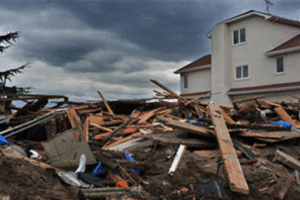
Severe weather strikes without warning, leaving homeowners and business owners scrambling to understand what comes next. The storm damage restoration process can feel overwhelming, but knowing the essential steps helps you navigate recovery with confidence. This comprehensive guide walks you through each phase of damage assessment, emergency mitigation, repairs, and rebuilding—ensuring you’re prepared when disaster strikes.
Initial Assessment and Documentation
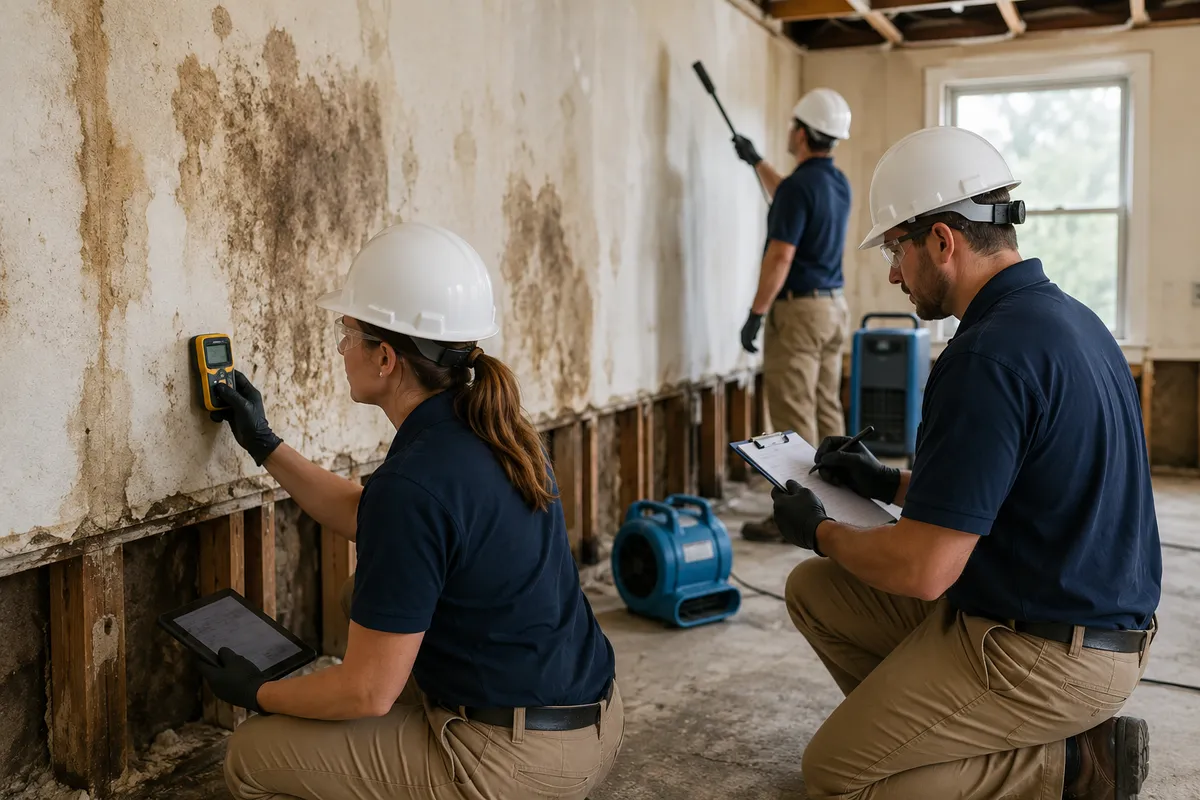
The first critical step in any storm damage restoration project is a thorough initial assessment. Within hours of weather clearing, qualified damage assessors should inspect your property to document all visible damage. This assessment forms the foundation for insurance claims, contractor estimates, and repair prioritization.
Professional assessors photograph and catalog every affected area, from structural damage to personal property loss. They create detailed reports that become essential documentation for insurance companies. According to FEMA’s disaster recovery guidelines, proper documentation immediately after a storm significantly improves claim approval rates and expedites the restoration timeline.
During this phase, you should:
- Contact your insurance company within 24-48 hours
- Take your own photographs and video of damage
- Create a written inventory of damaged items with approximate values
- Keep all receipts for emergency repairs or temporary repairs
Emergency Mitigation and Water Damage Prevention
Water damage escalates rapidly after storm events. The emergency mitigation phase happens immediately after assessment and involves stopping active water intrusion, removing standing water, and preventing secondary damage. This is where storm restoration services make the biggest immediate impact.
Common emergency mitigation tasks include tarping damaged roofs, boarding broken windows, extracting standing water, and deploying industrial dehumidifiers and air movers. Research from the insurance industry statistics shows that rapid water extraction within the first 24-48 hours prevents mold growth and structural decay, reducing overall restoration costs by up to 40%.
Professional restoration teams prioritize:
- Stopping active leaks and water intrusion
- Removing water using commercial extraction equipment
- Deploying dehumidifiers to prevent mold
- Salvaging and drying personal belongings when possible
Detailed Damage Assessment and Repair Planning
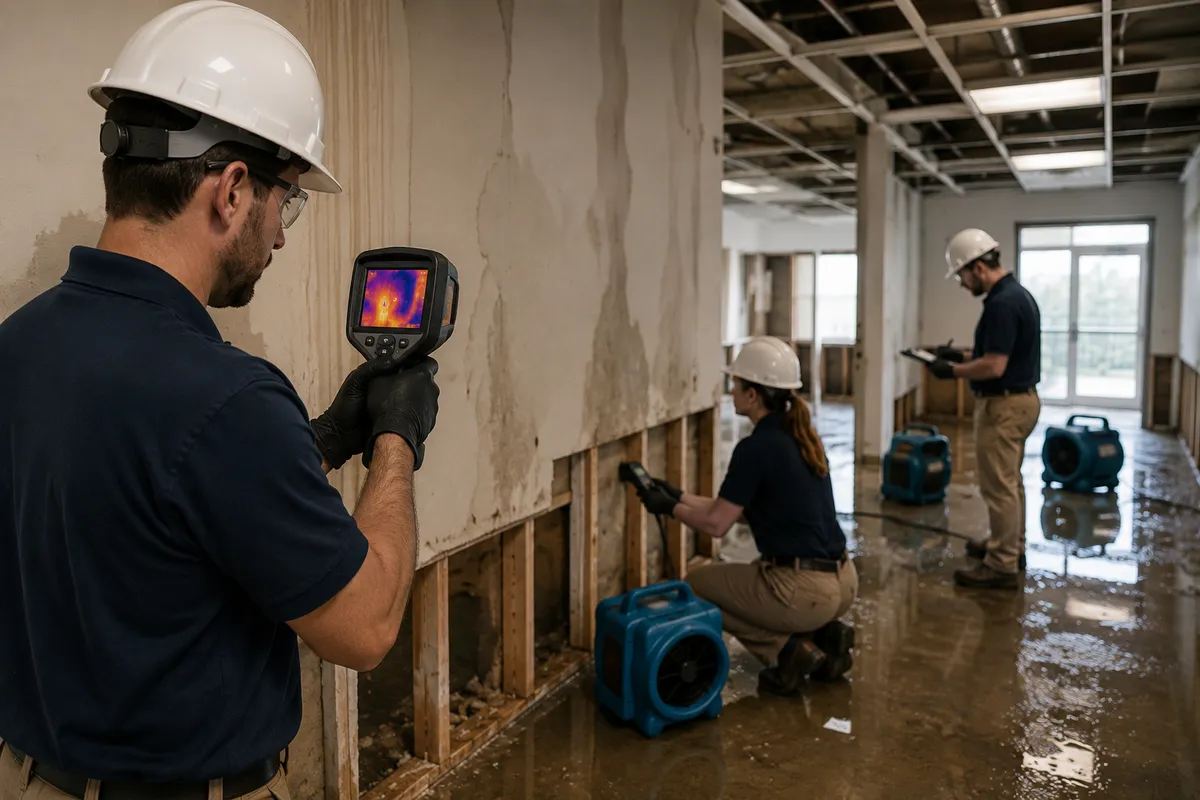
After emergency mitigation stabilizes the situation, a more comprehensive assessment begins. This phase evaluates structural integrity, electrical systems, HVAC functionality, and all building materials affected by the storm. Specialized inspectors identify hidden damage behind walls or within attic spaces that initial assessments might miss.
The detailed damage assessment produces a scope of work document outlining every repair needed, materials required, labor estimates, and project timeline. This becomes your roadmap for the restoration journey and serves as the primary document for contractor bidding and insurance negotiation.
Insurance Claims Navigation
Coordinating with your insurance adjuster happens during this planning phase. The adjuster reviews your documentation, inspection photos, and contractor estimates to determine coverage. Having detailed damage reports and multiple contractor bids strengthens your negotiating position and ensures fair settlement.
Restoration and Reconstruction Work
Once damage assessments are complete and insurance agreements are finalized, active water damage restoration and reconstruction begins. This phase involves removing damaged materials, replacing structural elements, and rebuilding to code standards.
Restoration contractors work systematically through your property, removing water-saturated drywall, flooring, and insulation, then replacing them with new materials that meet current building codes. In many cases, upgraded materials provide better resilience against future storms. The reconstruction phase typically takes 4-12 weeks depending on damage severity.
Professional restoration teams manage:
- Material removal and disposal following environmental regulations
- Structural repairs to walls, ceilings, and roof systems
- Electrical and plumbing system updates as needed
- Installation of new flooring, paint, and fixtures
- Final inspections and quality assurance
Mold Prevention and Remediation
Mold growth is a serious concern in post-storm properties, particularly when water damage wasn’t properly dried within 24-48 hours. Professional flood damage restoration includes comprehensive mold prevention strategies and remediation if growth is detected.
Certified mold remediation specialists use specialized equipment to detect mold in hidden spaces, remove contaminated materials, treat affected areas with antimicrobial solutions, and install continuous monitoring systems. This prevents health hazards and protects your property investment from long-term decay.
Final Inspections and Occupancy Approval
The final phase of the storm damage restoration process involves comprehensive inspections by local building officials and your restoration contractor. These inspections verify that all repairs meet code requirements and safety standards. Once approved, you receive occupancy clearance and can safely return to your restored property.

Timeline and Cost Expectations
Storm restoration timelines vary significantly based on damage severity, local contractor availability, and insurance processing speed. Minor damage might resolve in 2-4 weeks, while major structural damage could take 3-6 months or longer. Costs range from a few thousand dollars for limited water damage to hundreds of thousands for comprehensive rebuilding.
Budget planning should account for deductibles, potential insurance gaps, and unexpected damage discovered during reconstruction. Working with experienced restoration companies helps you avoid surprises and maintain realistic timelines.
Moving Forward After Storm Damage
Understanding the storm damage restoration process empowers you to make informed decisions during a stressful time. By following each phase systematically—from initial assessment through final inspection—you ensure thorough recovery and protect your long-term property investment.
The restoration journey demands coordination between assessors, contractors, insurance representatives, and building officials. Professional guidance through each step reduces stress and improves outcomes. Whether facing minor water intrusion or major structural damage, experienced restoration teams transform disaster into recovery.
Don’t navigate storm recovery alone. Contact us today for a free consultation with our certified restoration specialists. We’ll assess your property, explain the process clearly, and guide you toward complete recovery.
[Author bio placeholder — [Company name] is a certified disaster restoration company with 15+ years of experience managing storm damage, water extraction, mold remediation, and structural reconstruction for residential and commercial properties. Our IICRC-certified technicians combine technical expertise with compassionate customer service to guide clients through recovery with confidence.]