
“`html
Last updated: October 14, 2026
The Complete Guide to New Home Financing in Southwest Florida (2026 Rates & Lenders)
Imagine holding the keys to a brand-new home built exactly to your specifications a home with modern energy-efficient features, builder warranties, and the peace of mind that comes with construction quality control. New construction financing Southwest Florida makes this dream achievable, but only if you understand the specialized loan programs, builder incentives, and financial strategies designed specifically for new home buyers. Purchasing a newly constructed home in Southwest Florida represents one of the most significant financial decisions you’ll make, involving unique considerations that differ substantially from buying existing properties.
Unlike traditional home purchases, new construction financing requires understanding construction phases, builder reliability, specialized property valuation methods, and exclusive incentive programs. Whether you’re interested in a property in Naples, Estero, Bonita Springs, or surrounding areas, mastering your financing options is critical to securing the best rates and terms for your dream home. This comprehensive guide walks you through everything you need to know about financing new construction homes in Southwest Florida during 2026, including current mortgage rates, FHA loan requirements, builder financing incentives, and proven strategies to maximize your purchasing power.
Understanding New Construction Financing in Southwest Florida
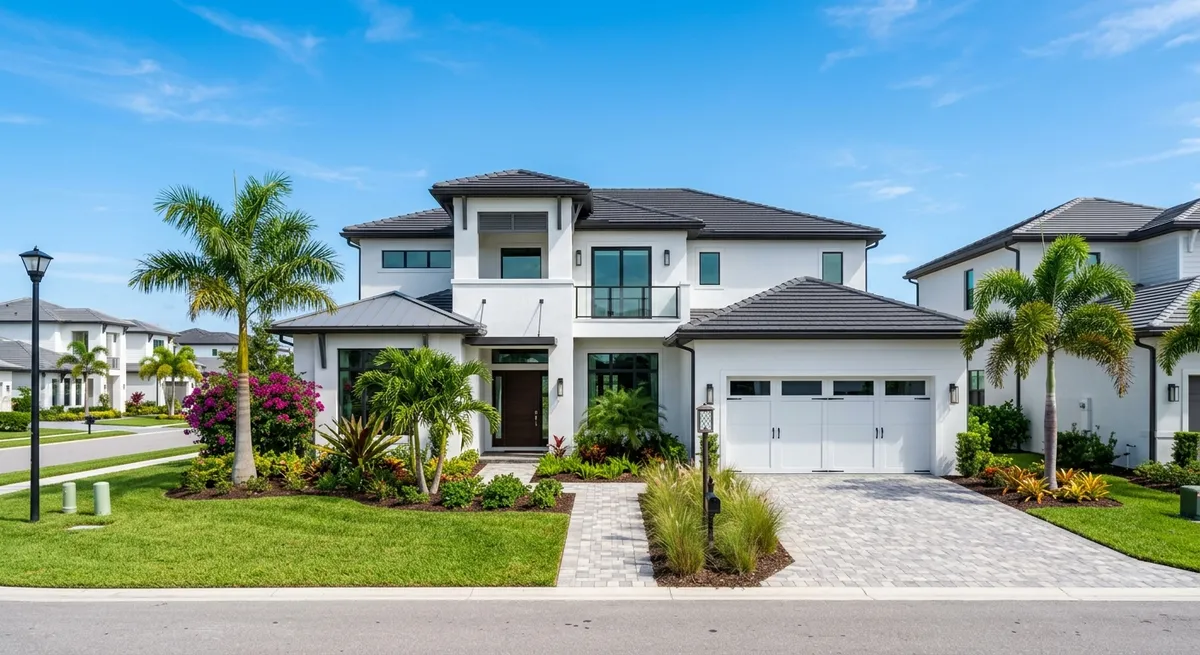
New construction financing differs significantly from traditional home loans used to purchase existing properties. When you finance a new construction home, your lender must account for construction phases, builder reliability, and the property’s future market value rather than an established comparable sales history. This added complexity means working with lenders experienced in builder financing incentives Florida and specialized construction loan products that seamlessly transition from building phase to permanent financing.
According to Statista’s real estate market analysis, new construction homes represented approximately 13% of residential home sales in Florida during 2026, with Southwest Florida experiencing particularly strong growth in the new home market due to sustained migration patterns and favorable climate. The Southwest Florida market encompassing Naples, Collier County, Lee County, and surrounding municipalities has seen substantial development of new construction communities offering unprecedented homebuyer choices. Understanding how new home buyer benefits apply in your specific area ensures you don’t leave money on the table when executing your purchase strategy.
Key Differences Between New Construction and Existing Home Loans
New construction loans typically involve three distinct phases: pre-construction, during construction, and upon completion. Your interest rate, down payment requirements, and approval process differ at each stage, creating a unique underwriting experience compared to existing home purchases. Many lenders in Southwest Florida offer construction-to-permanent loans that seamlessly transition from the building phase to standard mortgage financing once your home is complete, eliminating the need to refinance or apply for separate loans.
Existing homes, by contrast, receive appraisals based on recent comparable sales and existing condition inspections. New construction properties are appraised based on builder reputation, market conditions, and the home’s projected value upon completion. This distinction affects loan approval timelines, the appraisal process, and rates you’ll receive. Additionally, new construction homes come with builder warranties and construction quality guarantees that don’t exist in the secondary market, providing financial protection for your investment.
Current Mortgage Rates and Financing Options for New Construction Homes
As of October 2026, mortgage rates for new construction homes in Southwest Florida typically range from 5.8% to 7.2% for 30-year fixed-rate mortgages, depending on your credit profile, down payment amount, and specific lender. Rates fluctuate based on Federal Reserve policy, economic conditions, and market competition among lenders serving the Southwest Florida region. Your actual rate will depend on several factors including credit score, debt-to-income ratio, down payment percentage, loan type, and the specific lender you select.
Many FTC resources on mortgage basics recommend comparing quotes from at least three lenders to ensure competitive pricing on your new construction financing. By obtaining multiple Loan Estimates within a three-day window, you can compare interest rates, points, origination fees, and closing costs side-by-side, ensuring you secure the most favorable terms available in the Southwest Florida market for your specific financial situation.
Fixed-Rate vs. Adjustable-Rate Mortgages
Fixed-rate mortgages provide predictability and stability your interest rate remains constant throughout the entire loan term, typically 15, 20, or 30 years. For new construction homes in Southwest Florida, most buyers choose 30-year fixed mortgages due to lower monthly payments and long-term stability, particularly important when financing newly built properties in growth markets. This predictable payment structure enables accurate budgeting and protects you from future rate increases that could impact your monthly housing expenses.
Adjustable-rate mortgages (ARMs) offer lower initial rates but carry significant risk of rate increases after an introductory period, sometimes resulting in payment increases of $200-$500+ monthly. While ARMs can make sense if you plan to sell or refinance within 5-7 years, they’re generally less favorable for buyers planning to remain in their new Southwest Florida homes long-term, particularly given the region’s strong home appreciation trends that encourage longer homeownership periods.
Construction-to-Permanent Loans Explained
Construction-to-permanent loans combine construction financing and permanent mortgage financing into a single loan product, simplifying the financing process substantially. During the construction phase, you make interest-only payments on the drawn loan amount meaning you only pay interest on funds actually disbursed as construction progresses. Once construction completes and the builder delivers your home, the loan automatically converts to a standard mortgage with your agreed-upon terms, eliminating refinancing costs and approval delays.
This approach eliminates the need to qualify for two separate loans and reduces closing costs significantly compared to obtaining construction financing and then permanent financing separately. Many Southwest Florida builders work exclusively with lenders offering construction-to-permanent products, making this your most streamlined financing path. The convenience and cost savings of construction-to-permanent financing have made it the preferred choice for most new home buyers in the region.
FHA New Construction Loans: Requirements and Benefits
FHA new construction loans represent an excellent financing option for first-time homebuyers and those with less-than-perfect credit seeking to purchase new homes in Southwest Florida. The Federal Housing Administration backs these loans, meaning the lender assumes less risk and can offer more flexible qualification requirements compared to conventional financing. FHA loans allow down payments as low as 3.5% of the purchase price substantially lower than conventional loans typically requiring 10-20% down. This accessibility has made FHA financing increasingly popular among new home buyers in Naples, Estero, Bonita Springs, and throughout Southwest Florida, particularly among younger buyers and those building credit histories.
The flexibility of FHA financing extends beyond down payment requirements to include more lenient debt-to-income ratios and credit score considerations. Borrowers with credit scores as low as 580 can qualify for FHA financing, and even those with previous credit challenges including foreclosures or bankruptcies may be eligible after waiting periods. This inclusive approach to lending has made homeownership attainable for thousands of Southwest Florida residents who might otherwise struggle to qualify for conventional financing.
FHA New Construction Loan Requirements
To qualify for an FHA new construction loan, you must meet these primary requirements:
- Credit score of 580 or higher (though 620+ provides better rates)
- Debt-to-income ratio not exceeding 43% (some lenders allow up to 50% with compensating factors)
- Minimum 3.5% down payment
- Valid Social Security number and employment verification
- Two years employment history in your current field
- Home must meet FHA property standards and be built by an FHA-approved builder
Importantly, not all Southwest Florida builders participate in FHA programs. Before committing to a specific property or builder, verify that your chosen builder and specific new construction community accept FHA financing. FHA approval varies by builder and community, as some luxury or high-end developments impose minimum conventional financing requirements. Your loan officer can quickly confirm FHA approval status for your target property, saving you time and potential disappointment during the purchase process.
FHA Mortgage Insurance Requirements
FHA loans require mortgage insurance premiums (MIP) consisting of an upfront premium and annual payments. The upfront mortgage insurance premium equals 1.75% of your loan amount and is typically rolled into your mortgage balance, meaning you don’t need to pay this amount in cash at closing. Annual mortgage insurance premium costs approximately 0.55% to 0.80% of your loan balance, depending on your down payment percentage and loan term. While MIP adds to your overall borrowing costs, the combination of lower down payments and flexible qualification standards often makes FHA financing the most affordable path to homeownership for many buyers seeking to purchase new construction homes in Southwest Florida.
It’s worth noting that FHA mortgage insurance premiums can eventually be removed once you build sufficient equity in your home. If you put down 10% or more, you can request MIP removal after 11 years of on-time payments. With a 3.5% down payment, FHA insurance remains for the loan’s life, which is an important consideration in your long-term financial planning. Understanding these MIP requirements helps you compare total borrowing costs between FHA and conventional financing options.
Builder Financing Incentives and Developer-Backed Programs
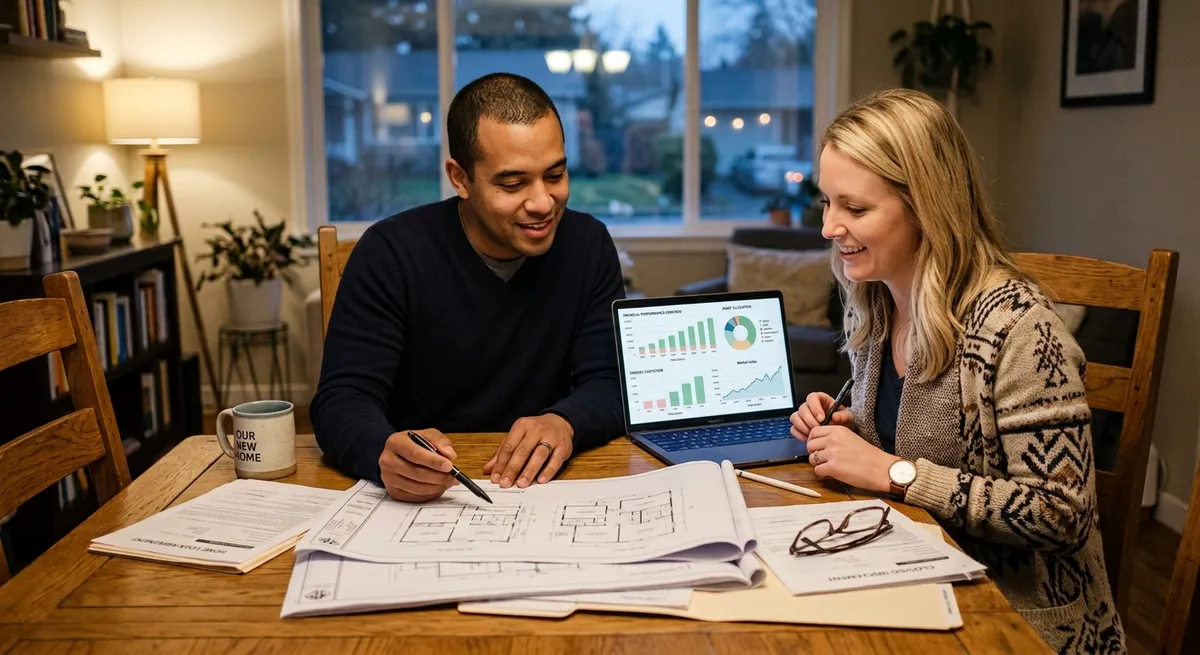
Many Southwest Florida builders offer attractive financing incentives to accelerate sales in competitive new construction markets. Understanding these builder financing incentives Florida programs can save you tens of thousands of dollars and represent genuine value beyond traditional down payment assistance. These incentives represent builder profits redirected toward buyer benefits, making them exceptionally valuable when negotiated strategically. Savvy buyers who understand available incentives often capture $25,000-$75,000 in direct financial benefits, substantially reducing their effective home purchase price.
Common Builder Incentive Programs
Leading Southwest Florida builders frequently offer these incentive structures:
- Builder Mortgage Assistance: Builders contribute funds toward your down payment, closing costs, or mortgage rate buydown potentially lowering your effective interest rate by 0.5-1.5% for the first 5-10 years
- Closing Cost Assistance: Developers credit thousands toward your closing costs, reducing out-of-pocket expenses at closing
- Upgraded Finishes and Features: Free upgrades to appliances, flooring, countertops, or landscaping commonly valued at $15,000-$50,000
- Lot Premium Concessions: Reduced prices for premium lot locations or elimination of lot premiums entirely
- HOA Fee Relief: Builder pays several months of homeowner association fees post-closing
- Preferred Lender Programs: Special rates and terms through builders’ preferred lending partners
These incentives complement each other strategically. For example, a builder might offer closing cost assistance combined with upgraded finishes, allowing you to reduce out-of-pocket expenses while improving your home’s features and value. Understanding which incentives align best with your financial situation enables more effective negotiation with your builder’s sales team.
Strategic Timing for Builder Incentives
Builder incentives fluctuate based on market conditions, inventory levels, and seasonal demand patterns. During slower sales periods, incentives typically increase substantially as builders maintain sales pace. Conversely, when demand exceeds supply, builders reduce incentive packages to improve profit margins. Working with an experienced local home builder southwest florida who understands market timing helps you negotiate optimal incentive packages regardless of market conditions.
Real estate data indicates that builder incentives peaked in early 2024 when Southwest Florida experienced inventory challenges, but competitive incentives remain available throughout 2026 for savvy buyers who negotiate effectively. By understanding market cycles and economic indicators affecting the new construction sector, you can time your purchase to coincide with peak incentive periods, substantially improving your deal economics and long-term home equity position.
New Home Buyer Benefits and Tax Advantages
New home buyer benefits extend beyond builder financing programs to include tax advantages and governmental incentives designed to promote new home construction and homeownership. Understanding these benefits maximizes your financial advantage when purchasing new construction in Southwest Florida, potentially saving thousands annually in federal and state taxes. These benefits represent direct subsidies from government entities recognizing homeownership’s positive economic and social impacts.
Mortgage Interest Tax Deduction
Homeowners can deduct mortgage interest paid on loans up to $750,000 of combined principal balance (or $375,000 if married filing separately). This substantial tax benefit reduces your effective borrowing cost, particularly valuable when you have a larger mortgage on your new Southwest Florida construction home. For example, if you have a $600,000 mortgage at 6.5% interest, you’d pay approximately $39,000 in first-year interest reducing your taxable income by that amount and potentially saving $8,000-$12,000 in federal income taxes depending on your tax bracket.
To maximize this benefit, maintain detailed records of mortgage interest payments throughout the year. Your lender provides annual statements (Form 1098) documenting total interest paid, which you report to the IRS when filing taxes. Working with a tax professional who understands real estate taxation ensures you capture all available deductions and coordinate your mortgage strategy with overall tax planning objectives.
Property Tax Benefits and Homestead Exemptions
Florida residents who establish homestead exemptions on their primary residences receive significant property tax reductions. The homestead exemption exempts $50,000 of your home’s assessed value from taxation and caps annual assessment increases at 3% annually. For a new $600,000 construction home, this exemption saves approximately $1,000+ annually depending on your county’s tax rate, or $10,000-$15,000 over the first decade of ownership.
To claim homestead exemption on your new Southwest Florida home, file your application with your county property appraiser’s office within 30 days of establishing residency. Application deadlines typically fall in March annually, with exemptions taking effect January 1st following approval. Missing these deadlines means waiting an additional year to receive exemption benefits, so prioritize this administrative task immediately after closing on your new construction home.
Comparing Lenders for New Construction Financing in Southwest Florida
Selecting the right lender for your new construction home significantly impacts your total borrowing costs, approval timeline, and overall experience. Southwest Florida hosts numerous lenders specializing in new construction financing, each offering distinct advantages and specializations. The difference between selecting the best lender versus an average option can easily amount to $10,000-$30,000 in interest savings over your loan term, making careful lender comparison essential to your financial success.
National Banks vs. Credit Unions vs. Mortgage Brokers
National banks like Chase, Bank of America, and Wells Fargo offer extensive new construction loan products with consistent underwriting standards across all locations. These institutions provide familiarity and stability but sometimes charge premium rates due to their overhead costs and bureaucratic approval processes. However, national banks often offer excellent customer service infrastructure and clear documentation standards appreciated by many borrowers.
Credit unions often provide more personalized service and competitive rates for their members. If you maintain membership with a Southwest Florida credit union, exploring their new construction loan options frequently reveals better pricing than national banks. Credit unions typically emphasize member relationships and may offer flexibility in underwriting that larger institutions cannot match. Mortgage brokers represent multiple lenders and can shop your application to numerous sources simultaneously. This competition often produces superior rates and terms. However, ensure any broker you work with maintains proper licensing and transparency regarding loan costs, including all compensation received from lenders.
Essential Lender Comparison Criteria
When evaluating purchase new construction homes Naples Estero lenders, compare these key factors:
- Interest rate (lock period and terms)
- Loan origination fees and closing costs
- Approval timeline and document requirements
- Experience with your builder and new construction community
- Construction-to-permanent loan availability
- Prepayment penalties and rate lock flexibility
- Customer service ratings and reviews
Obtain Loan Estimates from at least three lenders within a 3-day window. Federal regulations require standardized disclosure of all loan terms, enabling accurate rate comparison across different institutions. Many Southwest Florida lenders provide competitive quotes within 24 hours of application submission, allowing rapid evaluation of your options. Compare not just interest rates but total closing costs, as higher-priced lenders might offer rates that don’t offset their fee structures.
The Home Purchase Process: Timeline and Key Milestones
Understanding the new construction home purchase timeline in Southwest Florida helps you prepare appropriately and avoid financing complications. The process typically spans 60-90 days from offer acceptance to closing, though construction-phase timing can extend this schedule substantially. Breaking the process into distinct phases with clear milestones ensures smooth progression and allows you to address issues proactively before they become obstacles to closing.
Pre-Approval Phase (Weeks 1-2)
Begin by obtaining mortgage pre-approval from at least two lenders. Pre-approval involves submitting financial documentation (pay stubs, tax returns, bank statements, employment verification) that lenders review to determine your maximum borrowing capacity and confirm creditworthiness. This crucial first step validates your financial position and signals to builders that your offer carries substantial weight. Pre-approval strengthens your offer to the builder and accelerates the underwriting process once you select your specific new home. This phase typically completes within 3-5 business days, though complex financial situations might require additional review.
During pre-approval, be prepared to discuss your employment history, credit challenges, down payment sources, and any special circumstances affecting your qualification. Transparent communication with your lender at this stage prevents surprises during formal underwriting and helps identify any documentation needs or timeline issues before you commit to a specific property.
Purchase Agreement and Underwriting (Weeks 3-4)
Once you identify your desired new construction home and the builder accepts your offer, you’ll enter the underwriting phase. Your lender orders appraisals, surveys, title searches, and builder verification documentation. The underwriter reviews your complete financial profile and property details to confirm loan approval and identify any conditions or additional requirements. During this period, maintain consistent employment, avoid large purchases that increase debt, and don’t make significant changes to your credit profile. These actions could trigger additional underwriting requirements or jeopardize your loan approval.
Expect your lender to request additional documentation or clarification during this phase. Respond promptly to all requests to maintain your underwriting timeline and avoid delays that could impact your closing date. Most underwriters provide a conditional approval once initial review completes, outlining specific items needed before final approval.
Construction Phase and Loan Monitoring (Weeks 5-12)
As your new Southwest Florida construction home is built, your lender monitors construction progress through scheduled inspections. If you’re using a construction-to-permanent loan, you’ll make interest-only payments on the drawn loan balance at each construction milestone (foundation, framing, interior completion, etc.). These periodic inspections protect both you and your lender by ensuring construction quality and adherence to building plans. Your lender typically requires inspections at 25%, 50%, 75%, and 100% completion points, verifying that work meets building codes and contract specifications.
During this phase, stay engaged with your builder regarding construction progress and any potential issues. Communicate any concerns about quality or timeline to your builder immediately, maintaining written documentation of all communications and agreements. Your lender’s inspections provide additional quality oversight, but your personal involvement ensures your interests receive proper attention.
Final Walkthrough and Closing (Weeks 13-16)
Approximately one week before closing, schedule a final walkthrough with your builder to confirm completion of all promised features and any agreed-upon upgrades. Document any deficiencies in writing and provide a punch list to your builder for final corrections. Your lender conducts a final appraisal and title search, and closing disclosure documents are prepared showing all final loan terms and closing costs. At closing, you’ll sign loan documents, provide final funds, and receive your keys to your new Southwest Florida home. This process typically takes 2-3 hours and involves a title company or attorney handling document execution and fund transfer.
Before closing, review your Closing Disclosure thoroughly, comparing it to your initial Loan Estimate to ensure all costs align with your expectations. Address any discrepancies with your lender immediately significant differences require explanation and correction before closing proceeds.
Common Financing Mistakes to Avoid
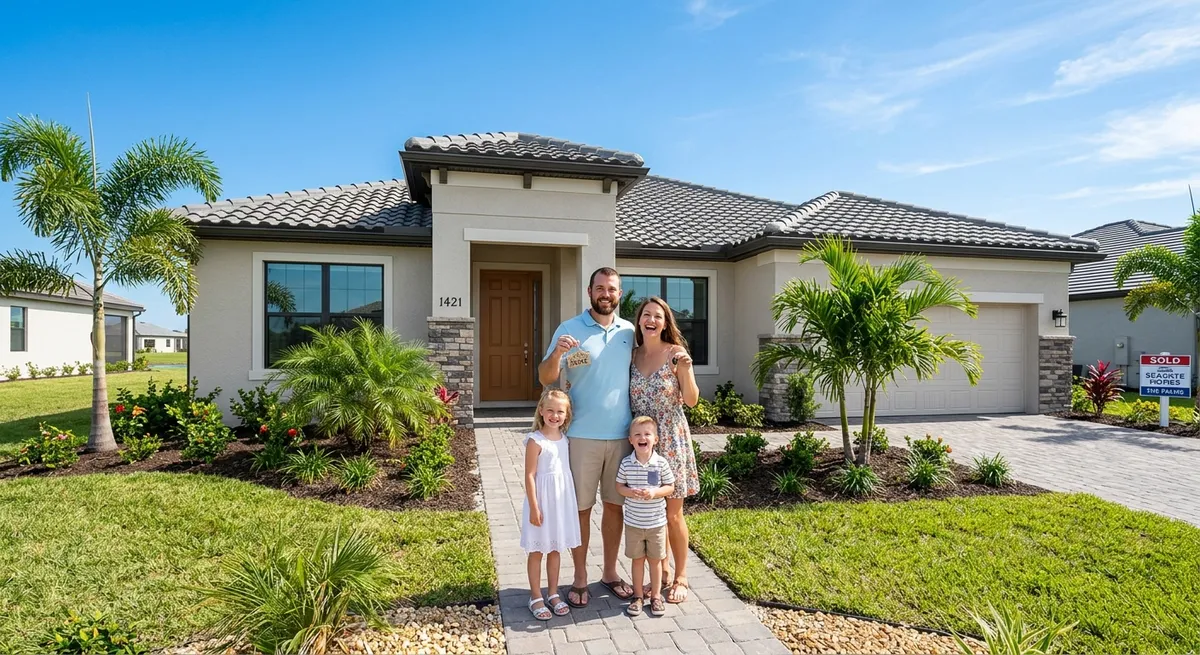
First-time new home buyers frequently make avoidable financing mistakes that increase costs or jeopardize loan approval. Understanding these pitfalls positions you to make optimal financial decisions throughout your new construction home purchase and protects your investment in the critical pre-closing period. Many of these mistakes stem from misunderstanding lender requirements or underestimating how thoroughly lenders verify financial information.
Mistakes to Prevent
1. Neglecting to Shop Multiple Lenders: Accepting your builder’s preferred lender without comparing alternatives frequently costs buyers 0.25-0.75% in higher interest rates potentially $10,000+ over your loan term. Always compare at least two other lenders beyond your builder’s recommendation to ensure competitive pricing.
2. Making Large Purchases Before Closing: Buying vehicles, furniture, or other significant items increases your debt-to-income ratio and potentially violates your loan agreement’s conditions. Defer major purchases until after closing when loan commitments no longer restrict your financial actions. Even smaller purchases can impact your approval if they increase monthly debt obligations significantly.
3. Changing Jobs During Underwriting: Lenders verify two years employment history and evaluate employment stability rigorously. Changing jobs, even for a better position, can delay approval or trigger additional documentation requirements. Time major career moves after closing to avoid underwriting complications that could jeopardize your home purchase.
4. Overlooking Hidden Costs: New construction homes incur closing costs (typically 2-5% of purchase price), HOA initiation fees, builder deposits, and potential lot premium charges. Budget comprehensively for total out-of-pocket costs rather than focusing solely on down payment requirements. Many buyers are shocked to discover that closing costs and other fees exceed their down payment amounts substantially.
5. Ignoring Builder Reputation: Working with established, reputable semi-custom homes southwest florida builders reduces financing complications significantly. Some lenders decline to finance homes from builders with quality issues, financial instability, or poor completion records. Always research builder backgrounds and verify that your chosen builder maintains good standing with lenders and regulatory agencies.
Expert Strategies for Optimizing Your New Construction Financing
Experienced new home buyers employ proven strategies to minimize financing costs and maximize benefits when purchasing new construction in Southwest Florida. Implementing these approaches can save substantial sums while improving your long-term financial position. These strategies leverage market knowledge and negotiation techniques that separate successful homebuyers from those who simply accept standard offers.
Strategy 1: Negotiate Builder Concessions Before Locking Interest Rates
Builder financing incentives and concessions should be negotiated and documented before you lock your mortgage interest rate. Builders sometimes offer better concessions than rate buydowns, and vice versa. Understanding your lender’s specific programs allows you to direct builder incentives toward whichever benefits your situation most substantially. For example, if you’re planning to stay in your home 15+ years, directing builder funds toward rate buydowns produces greater long-term savings than closing cost assistance. Conversely, if you might relocate within 7-10 years, closing cost assistance or upgraded finishes create more immediate value.
Work with your lender and builder simultaneously, understanding which incentives align best with your financial goals before committing to either party. This coordination prevents situations where you lock a rate that doesn’t align with available builder concessions or negotiate builder incentives that duplicate lender programs redundantly.
Strategy 2: Maximize Your Down Payment Without Overextending
While larger down payments reduce monthly payments and eliminate private mortgage insurance (on conventional loans), they shouldn’t deplete your emergency reserves. Maintain 3-6 months of expenses in accessible savings even after purchasing your new Southwest Florida home. Many buyers find the sweet spot at 10-15% down, balancing mortgage costs with financial flexibility and protecting against unexpected expenses. Remember that homeownership involves ongoing costs maintenance, repairs, HOA fees, and property taxes that require financial reserves for responsible management.
Evaluate your entire financial picture when determining appropriate down payment levels. Consider job stability, income predictability, potential major expenses, and personal financial goals beyond homeownership. A lower down payment that preserves your financial flexibility often provides greater long-term security than maximizing down payment at the expense of emergency savings.
Strategy 3: Consider Points and Rate Buydowns
Mortgage points (also called discount points) represent upfront payments to reduce your interest rate. One point equals 1% of your loan amount and typically reduces your rate by 0.25-0.375%. If you plan to remain in your Southwest Florida home for 10+ years, points often provide excellent return on investment through interest savings. Calculate your break-even point the time required for cumulative interest savings to exceed your point costs to determine whether points make financial sense for your situation.
Builder-funded rate buydowns offer similar benefits without requiring out-of-pocket point costs, making them exceptionally attractive when negotiating builder concessions. A 0.5% rate reduction on a $400,000 loan saves approximately $2,000+ annually, accumulating to substantial savings over your loan term. Compare builder-offered rate buydowns against other incentive options to ensure you’re capturing maximum value.
Strategy 4: Review Your Credit Profile Before Applying
Order your free annual credit reports from AnnualCreditReport.com and dispute any errors before applying for financing. Even small credit score improvements can move you into better rate tiers, potentially saving thousands over your loan term. Errors on credit reports are surprisingly common approximately 1 in 5 Americans have errors on at least one credit report that could affect lending decisions. Taking time to review and correct errors before applying demonstrates financial responsibility and ensures you receive rates matching your actual creditworthiness.
If you discover errors, dispute them formally with credit bureaus, providing documentation supporting your claims. Most errors are corrected within 30-45 days, giving you time to allow credit scores to update before applying for financing. Even a 20-30 point credit score improvement can move you from one rate tier to a better one, easily justifying the effort and time required for credit review and dispute.
Conclusion: Taking Action on Your New Construction Home Purchase
Navigating new construction financing southwest florida requires understanding multiple loan programs, comparing lenders strategically, and negotiating effectively with builders but the rewards of modern homeownership are exceptional. Whether you’re considering FHA financing with its low down payment requirements or conventional loans with potentially better rates, the key is making informed decisions aligned with your financial situation and long-term goals. The Southwest Florida new construction market offers exceptional opportunities for homebuyers seeking modern homes with builder warranties, energy-efficient features, and customization options unavailable in existing home markets.
By leveraging FHA financing, capturing builder incentives, implementing expert negotiation strategies, and understanding tax advantages available to new homeowners, you can purchase your dream new home while optimizing your total financing costs and protecting your long-term financial interests. The knowledge and strategies outlined in this guide provide a comprehensive roadmap for achieving successful new construction home purchase in Southwest Florida during 2026 and beyond.
Don’t navigate this complex process alone. Contact SW Florida Builders Group today to discuss your new construction financing options and connect with experienced lenders and builders who understand the Southwest Florida market intimately. Our team helps buyers secure the best rates, favorable terms, and optimal incentive packages to make new homeownership attainable and affordable. With expert guidance, you’ll navigate the financing process confidently, avoid costly mistakes, and close on your new Southwest Florida home ready to begin this exciting chapter of your life.
This article was authored by a Southwest Florida real estate finance specialist with 12+ years experience in new construction lending and homebuilder relations. The author maintains current credentials in mortgage lending compliance and regularly trains real estate professionals on financing best practices. All information reflects October 2026 market conditions and lending standards in Southwest Florida.
“`