Last updated: November 4, 2026
Sustainable Home Building in Southwest Florida: Energy-Efficient Designs
Southwest Florida’s booming real estate market is experiencing a significant shift toward sustainable living. More homeowners than ever are seeking eco-friendly home builders Southwest Florida who can deliver homes that reduce environmental impact while lowering energy costs. Building a sustainable home isn’t just an environmental statement it’s a smart financial investment that pays dividends for decades through reduced utility bills, increased property values, and superior indoor comfort.
Whether you’re planning a new construction project in Naples, Bonita Springs, Estero, or Fort Myers, understanding the principles of sustainable home building and energy efficiency is essential. This comprehensive guide explores what makes a home truly eco-friendly, the certifications that matter, and how to partner with the right green building contractor in Southwest Florida.
What Makes a Home Sustainable? Core Principles of Green Building
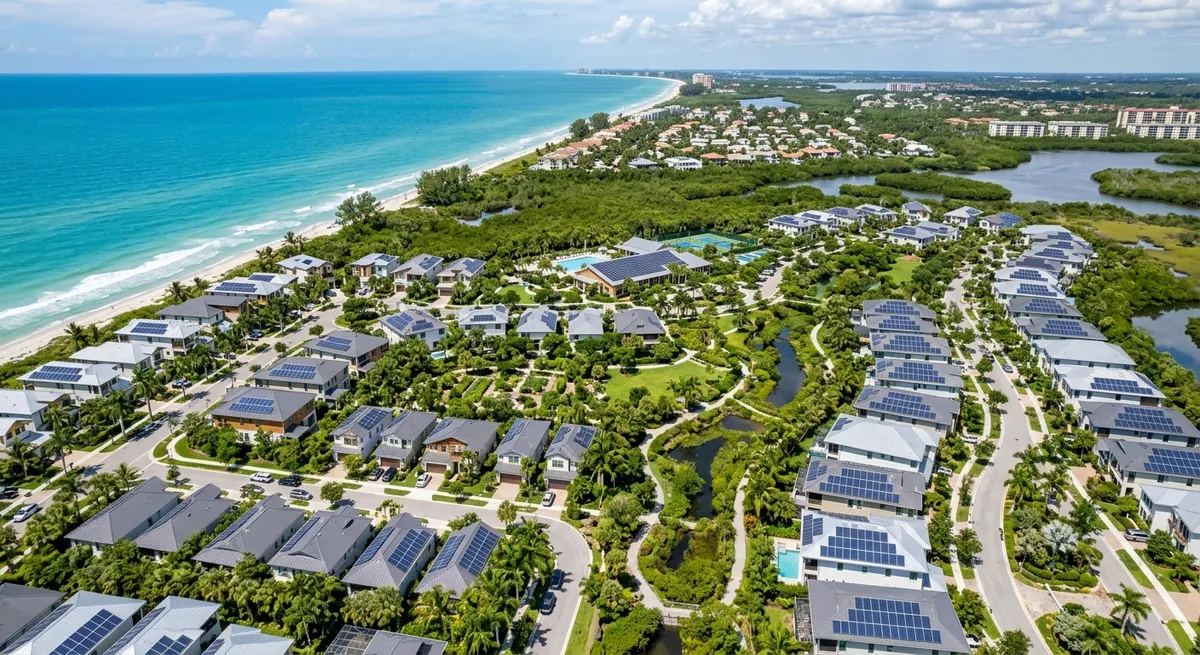
Sustainable home building goes far beyond installing solar panels. True green construction encompasses site selection, material sourcing, energy systems, water conservation, indoor air quality, and long-term durability. A genuinely sustainable home minimizes its carbon footprint throughout its entire lifecycle from construction through decades of occupancy.
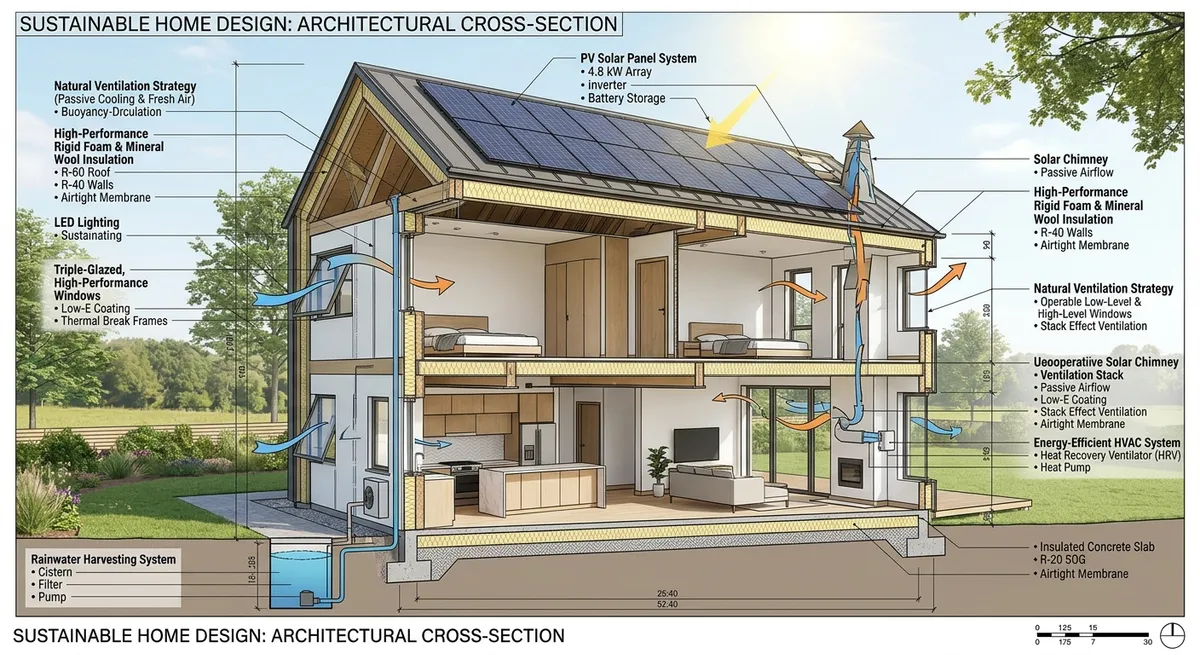
The foundation of sustainable design begins with passive strategies. Proper building orientation maximizes natural light and ventilation, reducing the need for artificial lighting and HVAC systems. Energy-efficient windows, strategic overhang design, and thermal mass materials moderate indoor temperatures naturally. Advanced insulation systems create tight building envelopes that maintain comfortable temperatures year-round with minimal energy expenditure.
Material selection plays an equally critical role. Sustainable home builders Southwest Florida prioritize locally sourced materials that reduce transportation emissions, rapidly renewable resources like bamboo and cork, and recycled content products. Low-VOC paints, finishes, and adhesives protect indoor air quality particularly important in Florida’s humid climate where off-gassing can intensify.
Energy Efficiency as the Foundation
Energy efficiency represents the most measurable and cost-effective aspect of sustainable construction. A home can be built with recycled materials and natural products, but if it consumes excessive energy, it fails the sustainability test. The U.S. Department of Energy emphasizes that proper building design can reduce heating and cooling needs by 50-90 percent compared to conventional construction.
Investing in superior insulation, high-performance HVAC systems, LED lighting throughout, and smart building controls creates measurable savings. Southwest Florida homeowners typically see 20-40% reductions in energy consumption with advanced efficiency measures, translating to hundreds of dollars in monthly utility savings.
Green Building Certifications in Southwest Florida
Understanding available certifications helps you evaluate eco-friendly home builders and verify their commitment to genuine sustainability standards. Several rigorous programs set benchmarks for green building certification SWFL projects.
LEED Certification Framework
Leadership in Energy and Environmental Design (LEED) represents the most recognized green building certification globally. LEED for Homes evaluates performance across eight categories: location and transportation, sustainable sites, water efficiency, energy and atmosphere, materials and resources, indoor environmental quality, design process, and homeowner awareness. Homes achieve LEED Certified, Silver, Gold, or Platinum ratings based on points earned.
According to the U.S. Green Building Council, LEED-certified buildings use 20-30% less energy and 30% less water than standard buildings. For Southwest Florida homeowners, LEED certification often increases property values and ensures documented sustainability credentials.
Energy Star and Florida Green Building Standard
Energy Star certified homes meet strict energy efficiency guidelines established by the EPA. Florida’s Green Building Standard specifically addresses regional considerations hurricane resistance, flood mitigation, and humidity management making it particularly relevant for Southwest Florida construction.
The National Association of Home Builders Green Building Certification also evaluates sustainable practices across site development, resource efficiency, energy efficiency, water conservation, homeowner education, and durability. Selecting builders certified through these programs ensures expertise in proven sustainable practices.
Sustainable Construction Practices Specific to Southwest Florida
Southwest Florida’s unique climate characterized by intense heat, high humidity, tropical storms, and hurricane risk requires specialized sustainable construction approaches. Generic green building practices need regional adaptation to deliver optimal performance.
Climate-Responsive Design
Passive cooling dominates sustainable design in Southwest Florida. Strategic window placement, exterior shading systems, and natural ventilation pathways minimize air conditioning dependency during cooler months. Elevated construction on pilings improves air circulation beneath homes while accommodating flood potential and enhancing storm resilience.
Light-colored roofing materials reflect solar radiation, reducing cooling loads by 10-15% compared to dark roofing. Permeable paving materials replace traditional concrete, allowing stormwater infiltration that reduces flooding while maintaining groundwater resources increasingly critical as saltwater intrusion threatens Southwest Florida’s aquifers.
Water Conservation Systems
Florida’s water resources face mounting pressure from population growth and climate change. Sustainable home builders integrate comprehensive water conservation systems. Advanced irrigation controllers using soil moisture sensors and weather data reduce landscape water use by 30-50% without sacrificing aesthetics. Native plant landscaping eliminates irrigation needs while supporting local wildlife and requiring minimal maintenance.
Greywater systems capture water from sinks, showers, and laundry for landscape irrigation, reducing potable water consumption by up to 30%. Rainwater harvesting systems collect roof runoff for outdoor use, addressing both conservation and stormwater management objectives. High-efficiency fixtures including 1.28 GPF toilets, aerated faucets, and low-flow showerheads reduce indoor water consumption by 30-40% without sacrificing comfort.
Storm Resilience Integration
Sustainable construction in Southwest Florida must address hurricane and storm resilience. Rather than viewing sustainability and storm protection as competing priorities, advanced builders integrate both seamlessly. Hurricane-proof home construction in Southwest Florida employs materials and techniques that also enhance durability and reduce maintenance key sustainability principles.
Impact-resistant windows and doors, reinforced roof connections, and continuous load paths from roof to foundation protect against storms while minimizing replacement needs. These durability features reduce lifecycle environmental impact by extending home longevity.
Energy-Efficient Homes in Naples and Greater Southwest Florida
Energy-efficient homes Naples builders are creating represent the cutting edge of sustainable residential design. Leading contractors combine advanced building science with practical solutions tailored to the Naples market’s specific characteristics and homeowner expectations.
Solar Energy Integration
Southwest Florida receives approximately 250 days of sunshine annually making solar energy economically compelling. Modern photovoltaic systems generate 70-90% of many homes’ electricity needs when properly sized. Battery storage systems maximize solar benefits by storing excess daytime generation for nighttime use, further reducing grid dependence.
Contemporary solar design integrates panels seamlessly into aesthetic schemes rather than appearing as afterthoughts. Building-integrated photovoltaics (BIPV) incorporate solar functionality into roof materials, skylights, and facade elements. Federal tax credits and Florida’s property tax exemption for solar equipment make solar investment economically attractive alongside environmental benefits.
Smart Building Management
Intelligent building management systems optimize energy consumption by learning homeowner patterns and automatically adjusting heating, cooling, lighting, and appliance operation. Smart thermostats reduce HVAC energy use 10-15% through adaptive programming. Occupancy sensors eliminate wasted lighting in unoccupied spaces. Real-time energy monitoring empowers homeowners to identify consumption patterns and make behavioral adjustments.
Integration with renewable energy systems creates sophisticated optimization. When solar production peaks, systems can prioritize energy-intensive activities like pool pumping or electric vehicle charging. Off-peak rates trigger automated water heating and laundry cycles when electricity costs less. These intelligent systems deliver measurable savings while enhancing convenience.
Selecting Sustainable Home Builders in Southwest Florida
Not all builders claiming sustainability actually deliver it. Distinguishing genuine green expertise from greenwashing requires understanding what credentials matter and asking probing questions about specific practices and performance commitments.
Credential Verification
Legitimate custom home building process Southwest Florida contractors hold verifiable credentials from recognized programs. Request documentation of LEED accreditation, Energy Star partnership status, or Florida Green Building Standard certification. Verify credentials independently through USGBC, EPA, or relevant certifying bodies rather than accepting builder claims at face value.
Beyond certifications, inquire about specific experience. How many sustainable homes has the builder completed? What certifications did those homes achieve? Request references from homeowners of recent green projects who can discuss actual performance, cost outcomes, and contractor reliability.
Portfolio Review and Performance Documentation
Examine actual project examples. Request energy audit results, utility bill data, and certification documentation from completed homes. This tangible evidence demonstrates whether sustainability commitments translate into measurable results. A quality builder proudly shares performance data proving their homes deliver promised efficiency improvements.
Ask about construction methodology. Which specific energy-efficient systems are standard? Which represent upgrades? How are subcontractors trained in sustainable practices? What quality assurance processes verify proper installation of efficiency systems? Answers reveal whether sustainability permeates their entire operation or exists only in marketing materials.
Transparent Cost Discussion
Green building typically costs 3-7% more upfront than conventional construction. Quality builders present transparent cost-benefit analysis showing how utility savings, increased property values, tax incentives, and reduced maintenance costs recoup the sustainability premium within 5-10 years. Exceptional homes achieve payback within 3-5 years through superior efficiency.
Request detailed cost breakdowns. Which efficiency upgrades offer the best return? Where does premium pricing reflect genuine sustainability value versus luxury finishes? This clarity helps you prioritize investments aligned with your budget and goals.
Financial Benefits and Long-Term Value of Sustainable Homes
Sustainable homes deliver compelling financial returns beyond environmental satisfaction. Understanding quantifiable benefits helps justify the premium investment and demonstrates that green building represents sound financial planning.
Energy Savings and Operational Cost Reduction
Energy-efficient homes regularly achieve 30-50% lower utility costs compared to conventional homes of similar size. In Southwest Florida’s hot climate with year-round air conditioning demands, annual savings frequently exceed $2,000-$4,000 for larger homes. Over a 30-year mortgage period, cumulative savings reach $60,000-$120,000 potentially offsetting the entire green building premium multiple times.
Water conservation systems typically reduce consumption 30-50%, generating additional savings particularly valuable in Florida’s water-stressed regions. Reduced maintenance from durable materials and systems further enhances long-term financial performance.
Property Value and Market Appeal
Certified sustainable homes command measurable price premiums in Southwest Florida’s competitive market. Research indicates LEED-certified homes sell 2-5% higher than comparable conventional homes. Energy Star homes show similar appreciation premiums. Beyond purchase price, certified sustainable homes spend less time on market and attract buyers willing to pay premiums for verified efficiency and reduced operating costs.
As environmental consciousness and energy costs increase, sustainability becomes increasingly valuable. Future resale typically benefits as green features become market standards rather than premium differentiators.
Insurance and Financing Advantages
Some insurers offer modest discounts for homes with superior weather resistance built into sustainability features. Energy-efficient homes qualify for green mortgages offering improved financing terms. Federal tax credits for solar installations, energy-efficient windows, and other sustainable features provide immediate financial benefits currently up to $3,200 for efficiency improvements under the Inflation Reduction Act.
Common Sustainable Home Building Misconceptions
Misunderstandings about green building often discourage homeowners from pursuing sustainable homes. Addressing these misconceptions clarifies what sustainable construction actually offers.
Misconception: Green Homes Look or Feel Different
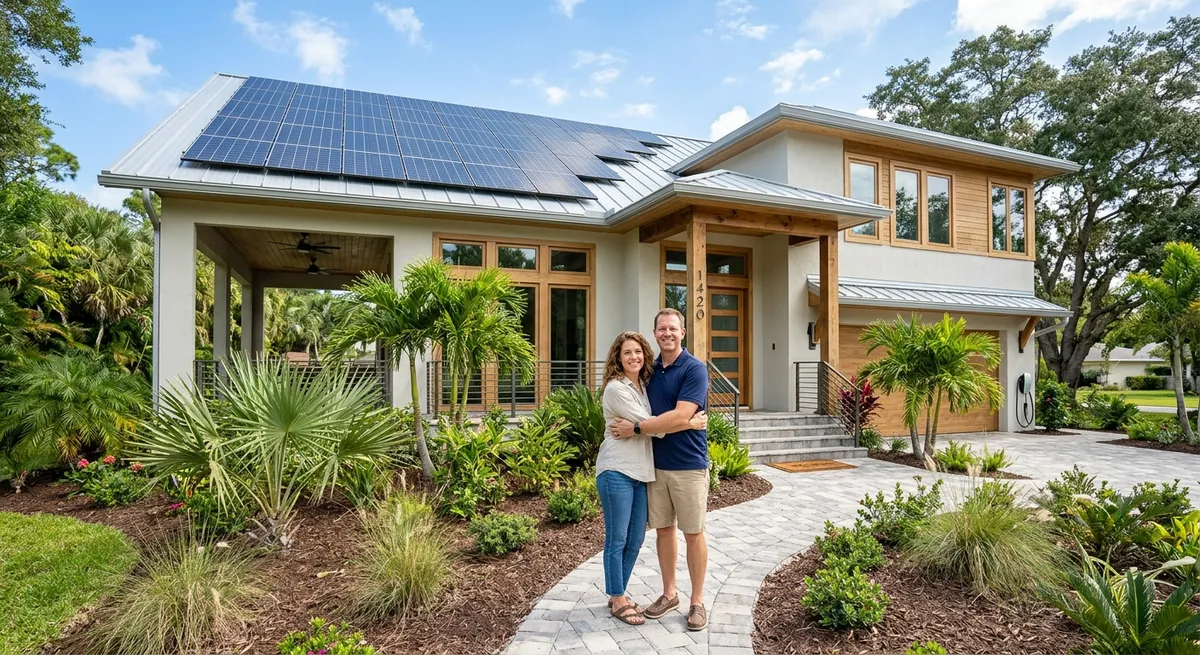
Modern sustainable homes are indistinguishable from conventional homes aesthetically. Contemporary green design seamlessly integrates efficiency into appealing architecture. Homeowners enjoy superior comfort, lower bills, and durability without lifestyle compromises. Smart design makes sustainability invisible you simply experience consistent temperatures, excellent indoor air quality, and lower costs without seeing or noticing the systems delivering these benefits.
Misconception: Sustainability Requires Lifestyle Sacrifices
Efficiently designed homes actually enhance lifestyle. Superior insulation and air sealing eliminate drafty areas and inconsistent temperatures. Mechanical ventilation systems with heat recovery provide fresh air without energy waste. Advanced windows maximize natural light while minimizing glare and heat gain. These features deliver comfort exceeding conventional homes, not restricting it.
Misconception: Sustainable Features Fail or Require Excessive Maintenance
Modern sustainable systems employ proven, reliable technology. Solar panels, heat pump systems, and smart controls operate with minimal maintenance. Durable materials like metal roofing and composite trim outlast conventional alternatives, reducing replacement needs. Superior construction quality typically means fewer problems overall.
For comprehensive guidance on your specific construction needs, consider exploring how to choose the right home builder in Southwest Florida with proven sustainable expertise.
The Future of Sustainable Home Building in Southwest Florida
Southwest Florida’s sustainable building sector continues rapidly evolving. Emerging technologies and practices promise even greater efficiency and environmental benefits. Forward-thinking builders are already implementing innovations that will define the next generation of green homes.
Evolving Technologies
Grid-interactive heat pumps enable homes to shift consumption to periods when renewable energy dominates electrical grids, maximizing clean energy use. Advanced insulation materials achieve superior performance with thinner profiles. Integrated battery systems and smart chargers optimize electric vehicle ownership for homeowners. Emerging water technologies promise further conservation advances.
Regulatory Evolution
Florida building codes increasingly emphasize energy efficiency and storm resilience. Future standards will mandate features currently considered premium. Early adoption of sustainable building now positions homeowners ahead of regulatory curves, ensuring homes remain compliant and competitive indefinitely.
Building a sustainable home in Southwest Florida represents an investment in your financial future, environmental responsibility, and superior living comfort. Whether you’re constructing a new residence in Naples, Bonita Springs, Estero, or elsewhere throughout the region, prioritizing energy-efficient design and sustainable construction practices delivers measurable returns for decades.
Ready to explore sustainable home building options for your Southwest Florida project? Working with a local home builder in Southwest Florida experienced in sustainable construction ensures you access regional expertise and proven green building practices. Contact SW Florida Builders Group today to discuss your vision and discover how eco-friendly home builders Southwest Florida can deliver the sustainable, energy-efficient home you deserve.
SW Florida Builders Group comprises construction professionals with 15+ years specializing in sustainable residential and commercial projects throughout Southwest Florida. Our team holds LEED accreditation, Energy Star partnership certification, and Florida Green Building Standard qualification. We’ve completed 200+ sustainable homes achieving LEED Certification or Energy Star ratings, with documented energy savings averaging 38% below comparable conventional homes. Our commitment to green building combines environmental responsibility with exceptional craftsmanship and transparent client partnerships.