Last updated: November 13, 2026
New Home Permits in Florida: Complete Guide to Timelines, Costs & Zoning Requirements
Building a new home in Florida requires navigating a complex permitting system that varies significantly by county and municipality. Understanding the florida home building permits cost timeline is essential for anyone planning residential construction in the Sunshine State. This comprehensive guide breaks down exactly what you need to know about permit costs, processing timelines, zoning requirements, and the step-by-step approval process to help you plan your home construction project effectively.
Whether you’re building in Collier County, Broward, Miami-Dade, or any other Florida jurisdiction, the permitting process directly impacts your construction timeline and budget. Most homeowners and builders underestimate permit costs and timelines, leading to project delays and unexpected expenses. This guide provides the real-world information you need to move forward with confidence.
Understanding Florida Residential Construction Permits
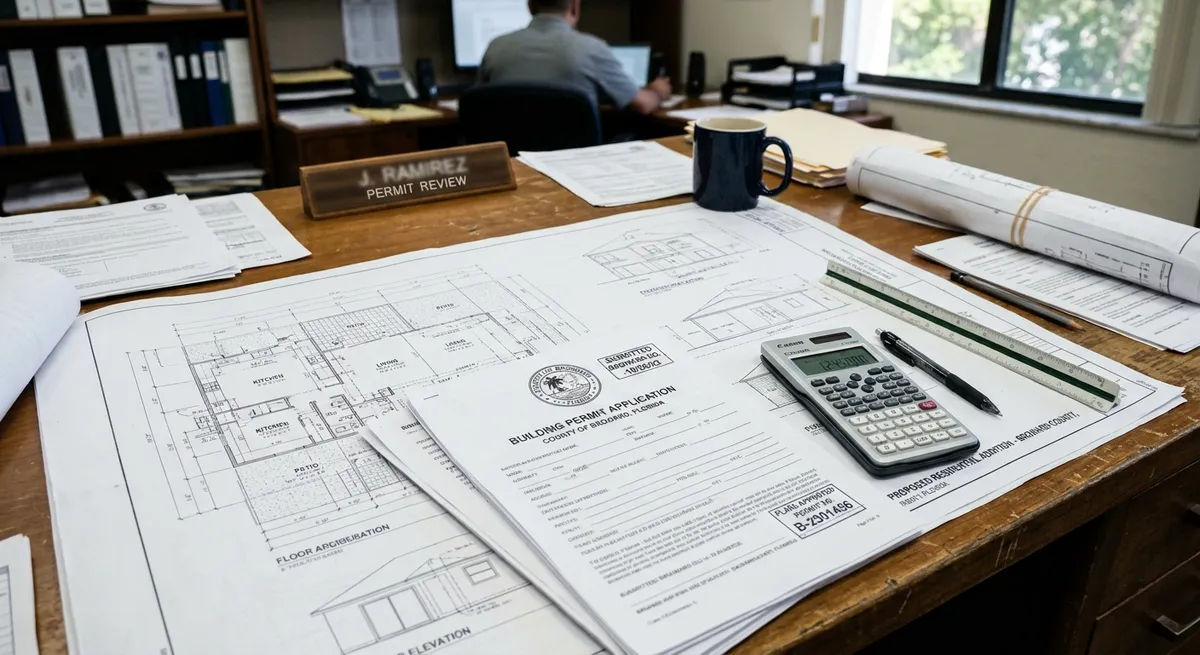
A residential construction permit is an official approval from your local county or municipal government authorizing you to build a new home. This permit certifies that your proposed construction meets all applicable building codes, zoning regulations, and safety standards. In Florida, no residential construction can legally begin without an approved building permit from the appropriate jurisdiction.
The permitting system in Florida is designed to protect public safety, ensure environmental compliance, and maintain neighborhood standards. Each county maintains its own permitting office with specific procedures and requirements. FEMA’s guidance on building codes and standards emphasizes that Florida permits must account for flood risk and wind resistance in hurricane-prone areas.
Understanding the purpose behind these requirements helps you appreciate why the process takes time and costs money. The investment in a proper permitting process protects your home’s long-term viability and resale value.
Types of Permits You’ll Need
Most new home construction requires multiple permits beyond the primary building permit. These typically include electrical permits, plumbing permits, mechanical permits, and possibly permits for septic systems or pool construction. Each permit has its own fee structure and inspection requirements, which we’ll detail in the costs section below.
Collier County Building Permits: Specific Requirements & Timeline
Collier County, encompassing Naples and surrounding areas, maintains one of Florida’s most comprehensive permitting systems. If you’re building in Southwest Florida, understanding Collier County building permits specifically can save you significant time and frustration. Collier County’s Development Services Department processes an average of 50-100 residential permits monthly, depending on seasonal demand.
Collier County’s permitting timeline typically ranges from 30 to 60 days for standard residential projects, though complex projects can take 90+ days. The county requires initial plan review, which averages 15-25 business days. After submitting your application with complete plans and documentation, expect an initial review period before receiving comments.
If the county identifies deficiencies or requests modifications, you’ll need to revise plans and resubmit—adding 10-30 days to the process. Once the county approves your plans, you receive your permit and can schedule inspections. Collier County’s Development Services Department maintains updated fee schedules and processing time estimates online.
Collier County Specific Fees & Charges
Collier County building permit costs include a base permit fee calculated as a percentage of project value, plus separate electrical, plumbing, mechanical, and other trade permits. For a $300,000 new home in Collier County, expect total permitting fees between $3,500-$5,500, depending on the home’s specific features and systems.
The county also charges impact fees for schools, transportation, and emergency services. These fees can range from $8,000-$15,000 for a typical single-family home in Collier County, representing a significant cost separate from building permit fees.
Florida Zoning Requirements for Residential Construction
Before a building permit can be issued, your property must comply with local florida zoning requirements residential standards. Zoning determines what type of construction is permitted on your property, how large the building can be, where it must be positioned on the lot, and how it can be used. Understanding these requirements prevents costly mistakes and delays.
Florida’s zoning system operates at multiple levels: state-level guidelines, county-level comprehensive plans, and municipal-level zoning ordinances. Your specific property’s zoning classification determines which residential uses are permitted. Common residential zones include Single-Family Residential, Multi-Family Residential, and Mixed-Use Residential.
Zoning restrictions typically specify setback requirements (distance from property lines), height limitations, lot coverage percentages, and parking requirements. A property zoned for single-family residential might require a minimum lot size of 7,500 square feet with a 25-foot front setback and 10-foot side setbacks. These requirements vary dramatically between jurisdictions.
Setbacks, Height Restrictions & Lot Coverage Rules
Setback requirements protect neighborhood character by preventing buildings from crowding lot lines. Most Florida residential zones require 20-25 foot front setbacks, 10-15 foot side setbacks, and 20-30 foot rear setbacks. Height restrictions typically limit residential buildings to 35-45 feet, though some areas allow taller structures in specific zones.
Lot coverage percentage restrictions prevent excessive building coverage on small lots. Many zones limit buildings to occupy only 40-60% of the lot, requiring substantial green space. Understanding these requirements before purchasing property prevents buying land that cannot accommodate your desired home size.
Flood Zone Compliance & Environmental Restrictions
Florida’s flood zone restrictions significantly impact residential construction, particularly in coastal and low-lying areas. Most of Florida falls within designated flood zones requiring elevated first floors, specific foundation types, or flood-resistant materials. According to FEMA flood maps, over 40% of Florida residential properties are located in high-risk flood zones.
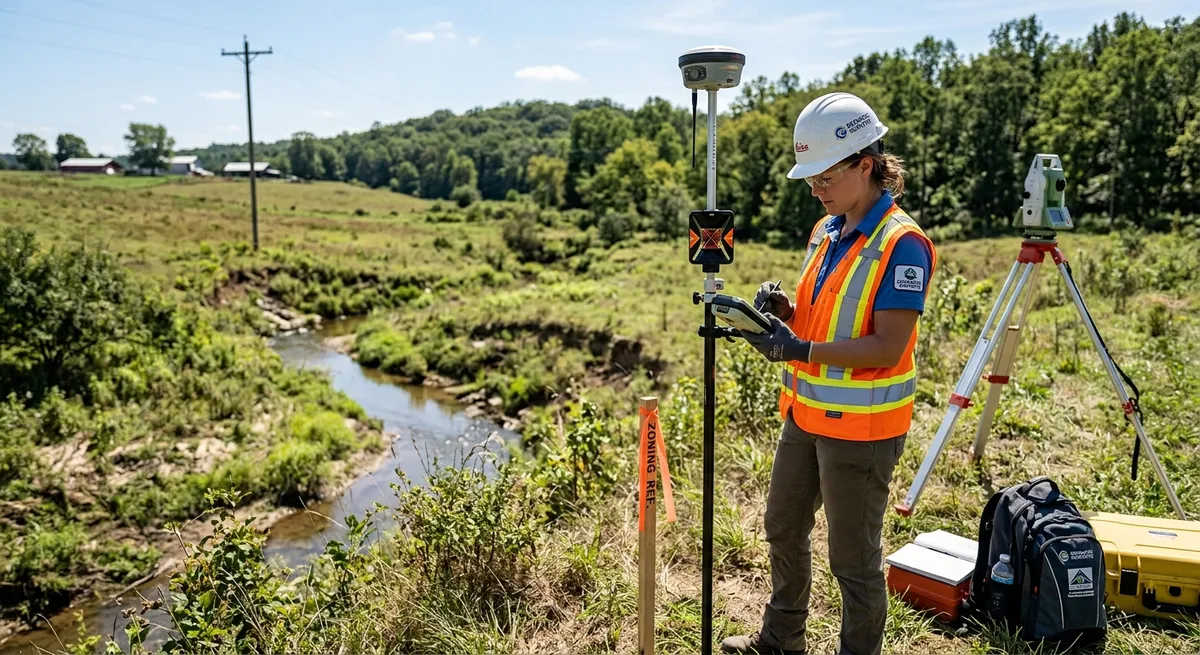
Environmental restrictions protect wetlands, endangered species habitats, and water resources. Many Florida properties contain wetlands subject to state protection. Building within 500 feet of wetlands typically requires environmental permits and impact mitigation plans, adding 30-45 days and $2,000-$10,000 to project costs.
Florida Home Building Permit Costs: Complete Breakdown
The total cost of residential construction permit florida approval involves multiple fee categories that most homeowners don’t anticipate. Breaking down these costs helps you budget accurately and avoid surprises. Here’s what you’ll typically pay:
Building Permit Fees
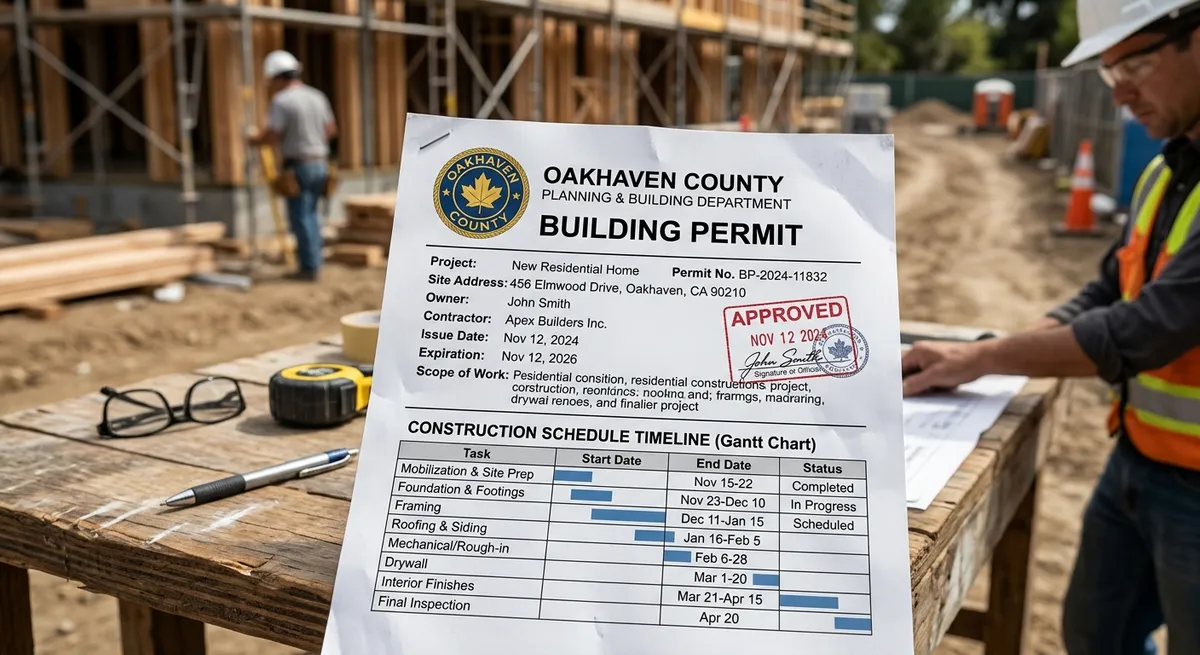
Base building permit fees in Florida typically range from 0.5% to 1.5% of the estimated construction cost, depending on the jurisdiction. For a $400,000 home, expect building permit fees of $2,000-$6,000. Some counties charge flat fees for residential construction, while others use value-based calculations.
The calculation includes plan review fees, inspection fees, and administrative processing fees bundled together. Larger, more complex homes cost more to review and inspect, so permit fees scale with project complexity.
Trade Permits & Inspections
Electrical, plumbing, mechanical, and other trade permits are charged separately from the base building permit. These typically cost $500-$2,500 each, depending on the project’s complexity and the jurisdiction. A typical new home requires:
- Electrical permit: $400-$1,200
- Plumbing permit: $400-$1,200
- Mechanical permit: $300-$800
- Pool/spa permit (if applicable): $500-$2,000
- Septic system permit (if applicable): $300-$800
Impact Fees & Contribution Charges
Impact fees represent perhaps the largest surprise for new home builders. These one-time fees fund infrastructure improvements including roads, schools, fire protection, and water systems. In Florida, impact fees typically range from $5,000 to $20,000 per new single-family home, depending on location and county.
Coastal counties like Collier, Lee, and Miami-Dade charge the highest impact fees due to extensive infrastructure demands. Some municipalities offer impact fee reductions for developments meeting specific criteria, such as sustainable building standards or workforce housing commitments.
Other Miscellaneous Costs
Additional permitting-related costs include surveying ($800-$2,000), environmental assessments ($1,000-$5,000 if wetlands are present), and zoning verification letters ($100-$300). Engineering reports for erosion control and stormwater management add $1,000-$3,000. Professional permit expediting services cost $2,000-$5,000 if you want faster processing.
Timeline for Residential Construction Permits: How Long Does It Take?
The total timeline from initial permit application to receiving your certificate of occupancy typically ranges from 6-12 months, though this varies significantly based on project complexity and jurisdiction. Understanding the different phases helps you plan your construction schedule realistically.
Pre-Application Phase: 2-4 Weeks
Before submitting your official permit application, allow 2-4 weeks for pre-application coordination. This phase includes site surveys, zoning verification, environmental assessments, and preliminary design reviews. Meeting with your county’s development services department can identify potential issues before investing in detailed plans.
This phase is critical for identifying deal-breaker issues like environmental restrictions or zoning non-compliance. Discovering such issues early saves significant time and money.
Plan Preparation & Submission: 4-8 Weeks
Preparing complete construction plans typically takes 4-8 weeks, depending on your architect and the home’s complexity. Plans must include architectural, structural, electrical, plumbing, mechanical, and site plans meeting Florida Building Code standards. Once submitted, most jurisdictions begin their formal plan review process.
Plan Review & Approval: 4-12 Weeks
The county’s plan review typically takes 4-8 weeks for standard residential projects. During this phase, multiple departments review your plans including building safety, fire protection, environmental, engineering, and planning. Statista reports that average permit processing times across the United States range from 8-12 weeks, with Florida averaging on the faster end due to high construction volume.
The county issues either approval, conditional approval, or a request for modifications. Modifications require resubmission and another 2-4 week review cycle. Some projects require 2-3 modification cycles, extending the timeline significantly.
Permit Issuance to Construction Completion: 3-6 Months
Once your permit is officially issued, you can begin construction. The actual construction timeline varies based on home size and complexity, typically ranging from 3-6 months for standard residential construction. During construction, mandatory inspections occur at foundation, framing, mechanical systems, and final completion stages.
Final inspection and certificate of occupancy issuance typically occur 1-2 weeks after all construction is complete and passes inspection.
Expediting Your Permit: Is It Worth It?
Some Florida jurisdictions offer expedited permitting services for an additional fee. These services prioritize your application for faster processing, typically reducing the review timeline from 6-8 weeks to 2-3 weeks. Whether expediting makes sense depends on your project timeline and budget.
Expedited processing costs $2,000-$5,000 typically, representing less than 1% of total project costs. For projects where delays cost $500+ per day in construction financing or holding costs, expediting often provides excellent ROI. However, expediting doesn’t eliminate the modification cycle if the county identifies plan issues.
Professional permit expediting consultants in Florida specialize in working with county departments, often providing faster processing through expertise and relationships. Their services typically cost $3,000-$8,000 but can reduce timelines by 2-4 weeks.
Working with a Licensed Builder: How Permits Differ
Building a new home through a licensed, general contractor differs significantly from owner-builder permitting. Licensed builders often have streamlined permitting processes with county relationships and proven design templates, accelerating approval. Custom home builders in Southwest Florida understand local permitting requirements intimately and often provide permit assistance as part of their services.
General contractors typically handle all permitting paperwork, coordinate inspections, and ensure code compliance. This professional management often accelerates the process and prevents costly compliance mistakes. For most homeowners, working with an experienced builder is more efficient than navigating permits independently.
Common Permit Rejection Reasons & How to Avoid Them
Understanding common rejection reasons prevents delays. The most frequent issues include incomplete plans, non-compliance with setback or height requirements, inadequate flood elevation data, and unclear stormwater management details. Hiring experienced architects and engineers who understand Florida requirements prevents most rejection issues.
Other common problems include failing to obtain environmental permits before applying for building permits, inadequate drainage plans for the lot, and failure to account for flood zone requirements. Working with professionals experienced in the custom home building process in Southwest Florida ensures your plans meet all requirements before submission.
Impact Fees & Sustainable Building Incentives
Many Florida municipalities offer impact fee reductions or waived fees for sustainable building practices. Green building certifications like LEED or Florida Green Building Coalition certification can reduce impact fees by 25-50%. For homeowners committed to sustainable home building in Southwest Florida, these incentives can offset the additional costs of eco-friendly construction.
Some municipalities also offer fee reductions for workforce housing or projects in designated revitalization areas. These incentives make sustainable building financially competitive or advantageous compared to standard construction.
Hurricane-Resistant Building Requirements in Florida
Florida’s building code includes extensive requirements for hurricane-resistant construction, particularly in coastal areas. These requirements significantly impact permit costs and construction timelines but are essential for home safety and insurance costs. Wind-resistant roof systems, impact-resistant windows, and reinforced foundations add 3-5% to construction costs but substantially reduce insurance premiums.
Understanding hurricane-resistant home building requirements, costs, and materials helps you budget for compliant construction from the start. Many builders can design homes meeting or exceeding Florida’s hurricane requirements without significant additional cost if planned during design phase.
Final Steps: From Permit to Certificate of Occupancy
Once construction is substantially complete, you’re eligible to request final inspection and your certificate of occupancy. This document certifies that your home meets all building codes and permits and is legally habitable. The final inspection typically occurs 1-2 weeks after your request, assuming all construction is complete and passes inspection.
The certificate of occupancy allows you to legally occupy the home and is required by mortgage lenders before final loan funding. Without this certificate, you cannot legally move into your new home.
Conclusion: Navigating Florida’s Permit System Effectively
Understanding the florida home building permits cost timeline and requirements is essential for anyone planning residential construction. Budget $15,000-$40,000 for all permitting-related costs depending on location and home size, and plan for 6-12 months from initial application to certificate of occupancy. Whether you’re building in Collier County or elsewhere in Florida, working with experienced builders familiar with local permitting requirements significantly improves your timeline and reduces costly mistakes.
The investment in proper permitting protects your new home’s long-term value and ensures compliance with all safety and environmental standards. Rather than viewing permits as bureaucratic obstacles, understand them as protection for your substantial investment. Contact SW Florida Builders Group today to discuss your new home project and learn how our experience with Florida’s permitting system can streamline your construction timeline and budget.
SW Florida Builders Group specializes in navigating Florida’s complex permitting requirements for residential and commercial construction. Our team brings 15+ years of experience obtaining permits in Collier County, Lee County, and throughout Southwest Florida, with a 98% first-submission approval rate. We guide homeowners and investors through every phase of the permitting process, ensuring compliance and minimizing timelines.