

Last updated: August 12, 2026
Moisture & Mold Prevention: A Homeowner’s Guide for Southwest Florida
Southwest Florida’s warm, humid climate and frequent rainfall can create challenging conditions for moisture and mold prevention. This comprehensive guide provides evidence-based strategies to protect your property, maintain indoor air quality, and avoid costly structural damage. Whether you’re a new resident or a long-time property owner, understanding how to manage moisture in your home is essential for health, safety, and protecting your investment.
Understanding Southwest Florida’s Moisture Challenge
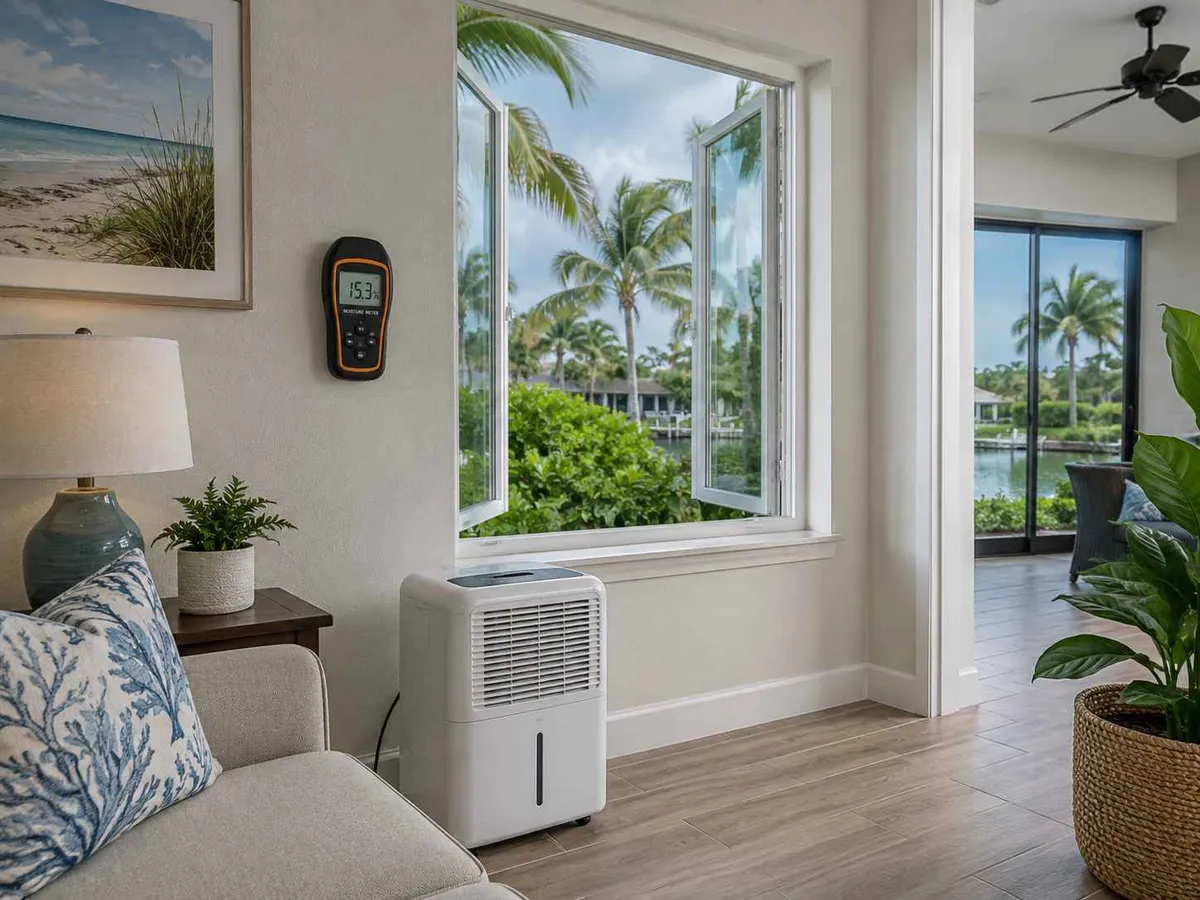
Southwest Florida’s subtropical climate presents exceptional challenges for moisture and mold prevention. The region’s high outdoor humidity, warm temperatures, and seasonal rainfall can increase the risk of indoor moisture problems. According to NOAA’s National Centers for Environmental Information, Southwest Florida receives substantial rainfall, particularly during the wetter months and hurricane season, with concentrated precipitation during hurricane season from June through November. This combination of heat, humidity, and water exposure creates ideal conditions for mold proliferation and structural moisture damage.
The problem can be more pronounced in older homes throughout the region, particularly where building components have experienced normal wear and tear. Many properties built in earlier decades lack modern moisture barriers and ventilation systems, making them particularly vulnerable. Mold exposure can cause allergic or respiratory symptoms in some people and may be a particular concern for people with allergies, asthma, or weakened immune systems.
Understanding these environmental factors is the first step toward effective moisture control and prevention. Your home’s ability to manage humidity and water intrusion directly impacts its longevity and your family’s wellbeing.
Key Signs Your Home Needs Moisture and Mold Prevention Measures
Early detection is crucial for successful moisture remediation and mold prevention. Recognizing warning signs allows you to take action before serious damage occurs. Common indicators include visible water stains on ceilings, walls, or foundations; musty odors in basements, bathrooms, or closed spaces; and discoloration on drywall or wood surfaces. You might also notice peeling paint, warped flooring, or soft spots in walls that indicate moisture saturation.
Other red flags include:
- Condensation on windows or pipes, especially in bathrooms and kitchens
- Increased allergy symptoms or respiratory issues indoors
- Visible mold growth (black, green, or orange spots) in bathrooms, under sinks, or around windows
- Pest infestations, as moisture attracts termites, cockroaches, and other insects
- Increased energy bills from HVAC systems working harder to control humidity
If you notice any combination of these signs, moisture control problems likely exist in your home. A professional construction or moisture assessment can help identify whether hidden moisture is contributing to the problem.
Essential Indoor Humidity Control Strategies
Maintaining proper indoor humidity levels is the foundation of effective mold prevention and moisture control. The EPA recommends keeping indoor humidity between 30-50% to discourage mold growth and dust mites while maintaining comfort. In Southwest Florida’s humid climate, achieving this target requires deliberate intervention and regular monitoring.
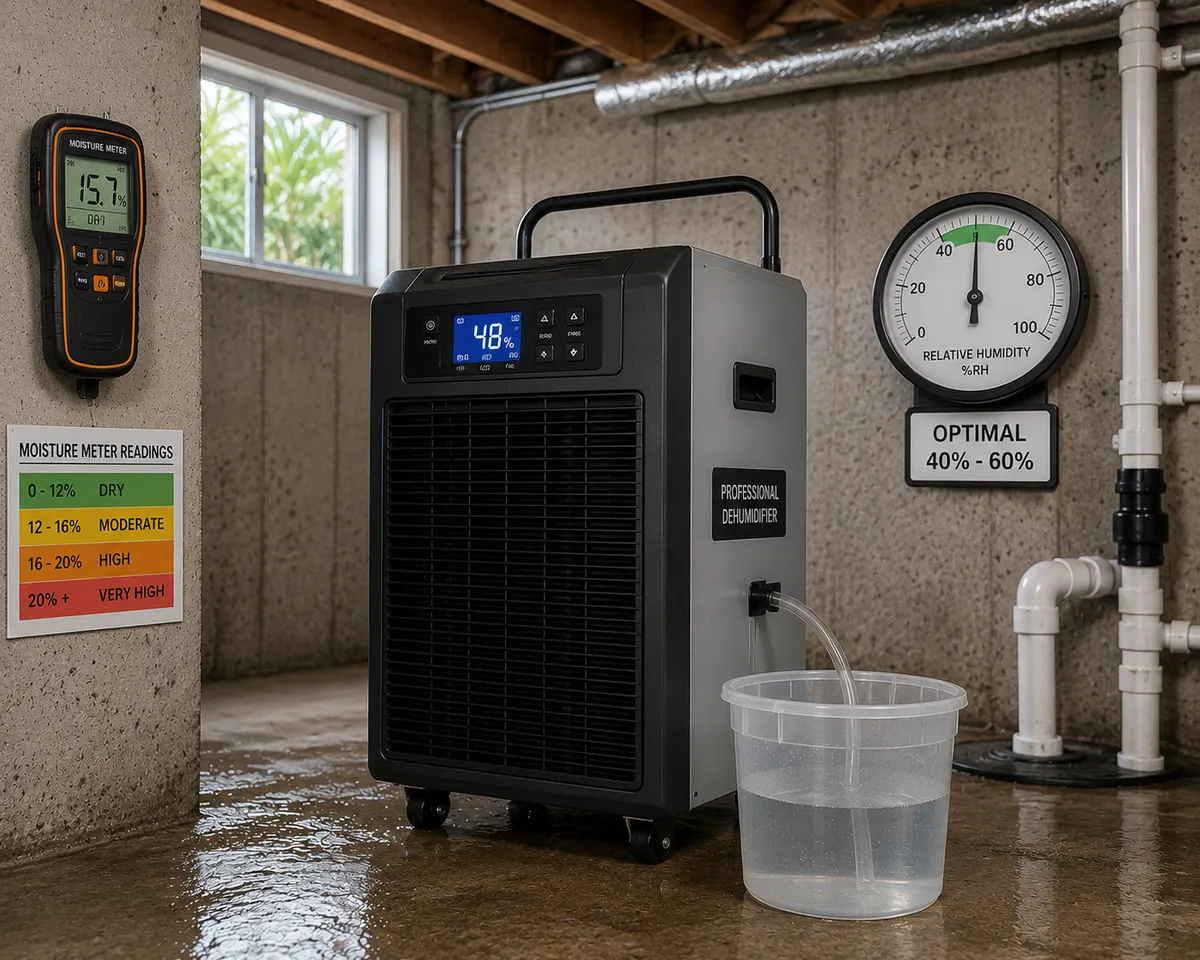
Dehumidifiers can remove significant amounts of moisture from indoor air, making them useful in areas prone to high humidity, including basements, bathrooms, and closed spaces.. Position dehumidifiers in areas most prone to moisture accumulation and empty collection buckets or connect drainage lines to prevent overflow.
Air conditioning systems naturally dehumidify your home while cooling, but they require proper maintenance. Clean or replace AC filters monthly during high-humidity seasons to ensure efficient operation. Regular HVAC maintenance, including ductwork inspection and coil cleaning, prevents moisture from accumulating in hidden spaces.
Ventilation is equally critical for moisture control. Install exhaust fans in bathrooms and kitchens, run them during and after showers or cooking to help remove moisture. According to EPA guidance on mold control, proper ventilation removes moisture at the source rather than allowing it to permeate walls and insulation. Ensure exhaust ducts vent outside your home, not into attics or crawl spaces where moisture becomes trapped.
Waterproofing and Structural Moisture Prevention
Structural moisture prevention begins with effective exterior waterproofing. The most common sources of moisture intrusion in Southwest Florida homes include leaking roofs, cracked foundations, poor grading around foundations, and compromised window and door seals. Addressing these vulnerabilities prevents water from entering walls where it causes hidden mold growth and structural decay.
Roof and Gutter Maintenance
Your roof is your home’s first line of defense against moisture infiltration. If you’re experiencing leaks or roof-related moisture problems, inspect roofing materials annually for missing, cracked, or curling shingles. Clear gutters and downspouts every three months in Southwest Florida, where falling leaves and debris accumulate quickly. Ensure downspouts extend at least 4-6 feet from your foundation, directing water away from the home’s perimeter.
Foundation and Basement Protection
Foundation cracks and seepage are primary moisture entry points. Seal visible cracks with epoxy or polyurethane injection systems before water damage spreads. Install or maintain sump pump systems in basements and crawl spaces, ensuring they operate properly during heavy rains. Grade soil around your foundation so water slopes away from the house, preventing standing water that invites moisture infiltration.
Consider installing French drains or perimeter drainage systems in chronically wet areas. These systems channel water away from foundations, protecting against the hydrostatic pressure that forces moisture through concrete.
Window and Door Sealing
Windows and doors are frequent moisture entry points, particularly during Southwest Florida’s heavy rains and high humidity. Replace deteriorated caulking around frames immediately. Install storm windows or upgrade to high-performance window assemblies with weather stripping and proper flashing.
Interior Moisture Management Best Practices
Daily habits significantly impact indoor moisture levels and mold prevention success. Simple practices reduce moisture accumulation dramatically without major investments. Wipe down bathroom walls and shower doors after bathing to remove excess moisture before it seeps into materials. Keep bathroom and kitchen doors closed while showering or cooking, then open windows or run exhaust fans to remove moisture-laden air.
Avoid line-drying laundry indoors, as wet clothing releases substantial moisture into the air. Use dryers with external vents, ensuring ductwork isn’t blocked and vents outdoors rather than into attics. Fix leaks immediately—even small drips from plumbing or appliances create conditions favoring mold growth and moisture damage.
Improve air circulation throughout your home by using ceiling fans and mechanical ventilation. Open windows only when outdoor temperature and humidity conditions are favorable. Good circulation prevents stagnant, moist air pockets where mold thrives. In closets and cabinets, place moisture-absorbing products like silica gel or calcium chloride to prevent localized humidity buildup.
Monitor indoor humidity with affordable digital hygrometers, setting targets between 30-50%. This data-driven approach to moisture control lets you adjust dehumidifier settings and ventilation based on actual conditions rather than guessing.

Mold Remediation and Prevention Strategies
Once mold growth appears, immediate action prevents expansion to adjacent surfaces and materials. Small surface mold (less than 10 square feet) can be cleaned with detergent and water, then dry the area thoroughly and address the underlying moisture source. However, extensive mold colonies indicate underlying moisture problems requiring professional remediation and investigation into moisture sources.
Professional Mold Remediation
Mold growth covering more than 10 square feet, extensive water damage, or mold contamination involving HVAC systems may warrant professional assessment or remediation. Certified mold removal specialists use proper containment procedures, HEPA filtration, and antimicrobial treatments to eliminate colonies safely. They also identify and address moisture sources preventing recurrence.
Post-Remediation Prevention
After mold remediation, sustained moisture control prevents recolonization. Continue controlling moisture and humidity in previously affected areas, and inspect them regularly for signs of recurring moisture or mold. Regular inspections every 3-6 months catch returning moisture problems before mold develops.
HVAC System Protection
HVAC systems can harbor mold if moisture accumulates in ducts or coils. Schedule annual professional HVAC maintenance including ductwork inspection, coil cleaning, and filter replacement.
Moisture Control Materials and Upgrades
Modern building materials offer superior moisture and mold prevention compared to traditional options. Moisture-resistant drywall, engineered for high-humidity environments, resists mold growth significantly better than standard drywall. Fiber-cement boards in bathrooms and kitchens provide durability and moisture resistance that wood-based materials can’t match.
Vapor barriers and moisture retarders control moisture movement through walls and crawl spaces. Proper installation creates sealed envelopes that direct moisture out of structures through controlled ventilation rather than allowing it to saturate materials. Building science research shows that properly installed vapor barriers can help control moisture and reduce the risk of moisture-related damage in homes.
Flooring materials significantly impact moisture susceptibility. Luxury vinyl plank (LVP) and ceramic tile offer excellent moisture resistance compared to hardwood or laminate. In basements and areas prone to dampness, consider epoxy coatings that seal concrete while allowing moisture vapor to escape.
Insulation selection also matters for moisture and mold prevention. Closed-cell spray foam provides both insulation and moisture barriers, making it ideal for Florida’s humid climate. Fiberglass insulation can become problematic when it becomes wet or is exposed to persistent moisture, so moisture problems should be addressed promptly.
When to Call Professional Moisture Control Services
Certain situations require professional expertise and equipment beyond homeowner DIY capabilities. Persistent moisture despite dehumidifier use, visible mold in HVAC systems, water intrusion after storms, or musty odors indicating hidden moisture all warrant professional investigation. Water damage assessments identify moisture in walls, under flooring, and in insulation using moisture meters and thermal imaging.
A professional assessment can identify vulnerable areas and help recommend targeted improvements. This may include assessing ventilation effectiveness, identifying air leaks that allow humid air to enter walls, testing moisture levels in building materials, and developing an action plan for your home’s specific challenges.
Professional remediation ensures safety and effectiveness. Mold remediation requires proper containment preventing spore spread to unaffected areas. Specialists wear appropriate protective equipment and use commercial-grade HEPA filtration. They document remediation procedures and moisture corrections, providing assurance that problems are resolved properly.
Frequently Asked Questions About Moisture and Mold prevention
What is the ideal humidity level for mold prevention in Southwest Florida homes?
The EPA recommends maintaining indoor humidity between 30-50% to prevent mold growth and dust mite proliferation. In Southwest Florida’s climate, achieving this target requires dehumidifiers, proper ventilation, and air conditioning maintenance. Digital hygrometers help monitor actual humidity levels so you can adjust equipment settings based on real data rather than guessing.
Can I prevent mold growth without a dehumidifier?
While proper ventilation, air circulation, and moisture control reduce mold risk, A dehumidifier can be an important tool when your HVAC system cannot keep indoor humidity at an appropriate level. AC systems help but alone cannot maintain safe humidity during humid seasons. Combining dehumidifiers with ventilation fans, air circulation, and structural moisture prevention creates comprehensive protection against mold and moisture problems.
How often should I have my home inspected for moisture and mold issues?
Annual professional moisture inspections catch developing problems before major damage occurs. After remediation, inspections every 3-6 months confirm that moisture control improvements are working effectively. Homeowners should also conduct monthly visual inspections of bathrooms, basements, under sinks, and around windows where moisture commonly accumulates.
What causes that musty smell in my Southwest Florida home?
Musty odors indicate mold growth or moisture saturation in hidden spaces like wall cavities, attics, or crawl spaces. These smells often precede visible mold, making them valuable warning signs. Professional moisture assessments using thermal imaging and moisture meters identify hidden moisture sources causing odors, allowing targeted remediation before structural damage becomes extensive.
Is all mold dangerous and require professional removal?
Surface mold covering less than 10 square feet can usually be cleaned with detergent and water. However, mold in HVAC systems, mold following water damage, or colonies exceeding 10 square feet should be professionally remediated. Mold exposure can cause allergic or respiratory symptoms in some people, making professional assessment important for extensive contamination. Professional removal ensures safety and prevents recurrence through moisture source identification.
Conclusion: Protecting Your Southwest Florida Home
Moisture and mold prevention in Southwest Florida requires understanding your region’s unique climate challenges and implementing comprehensive strategies addressing both visible and hidden moisture. From humidity control and ventilation to structural waterproofing and professional remediation, successful moisture management protects your home’s integrity and your family’s health. The investment in proper dehumidification, HVAC maintenance, and moisture-resistant materials pays dividends through avoided structural damage, lower energy bills, and improved indoor air quality. Don’t wait for visible mold or water damage to take action. Contact us today for a free consultation to assess your home’s moisture vulnerabilities and develop a customized prevention strategy protecting your property for years to come.
Author credentials placeholder: Southwest Florida Building Group is a local construction company serving homeowners in Southwest Florida. The company focuses on quality construction, renovation, and home improvement solutions designed for the region’s unique coastal and humid climate. Its approach emphasizes durable building practices, moisture management, and solutions that support the long-term performance and comfort of Southwest Florida homes.