

Last updated: October 2, 2026
Walk-in Tub vs Walk-in Shower: Which Is Right for Your Bathroom?
When planning a bathroom remodel or upgrade, one of the most important decisions you’ll face is choosing between a walk-in tub vs a walk-in shower. Both options offer significant advantages for accessibility, safety, and modern design, yet they serve different needs and budgets. The walk-in tub vs walk-in shower debate has become central to bathroom renovations, especially for aging homeowners, those with mobility challenges, and anyone seeking to future-proof their home. Understanding the key differences between these fixtures will help you make an informed decision that aligns with your lifestyle, health needs, and financial investment.
This comprehensive guide explores everything you need to know about both options, from cost and installation to safety features and long-term value. Whether you’re designing a primary bathroom or creating an accessible guest suite, we’ll help you determine which solution best fits your unique situation.
What Is a Walk-in Tub? Understanding the Basics
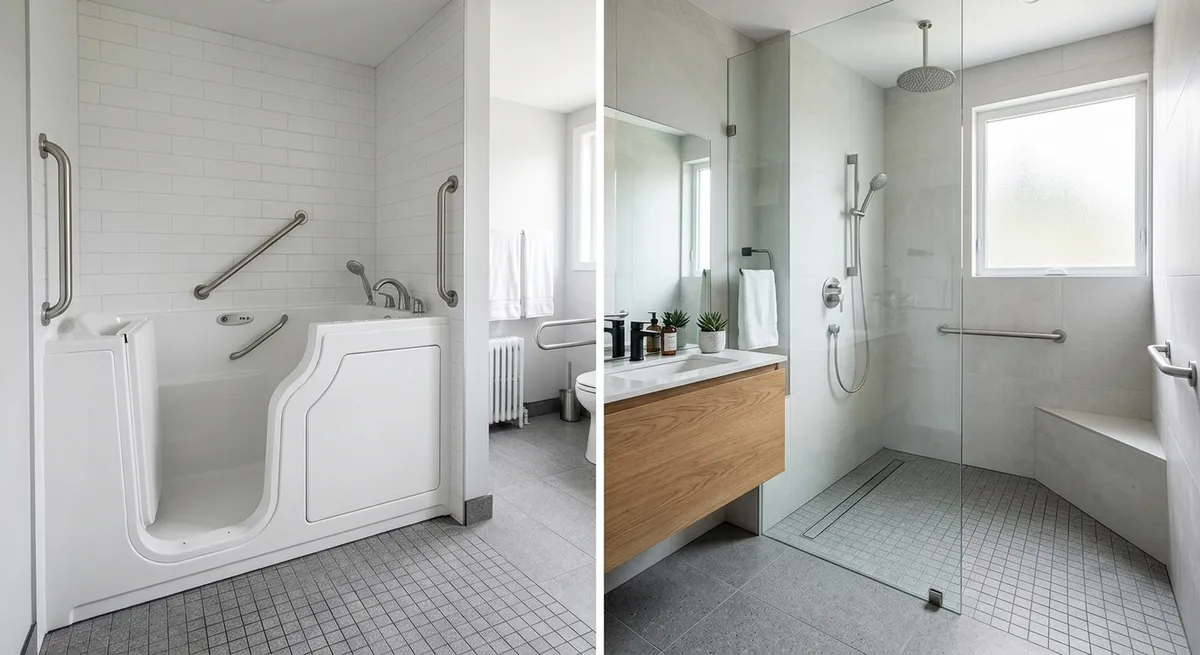
A walk-in tub is a specially designed bathing fixture that features a watertight door on the side, allowing users to enter and exit without stepping over a high rim. These tubs are equipped with safety features including grab bars, non-slip flooring, built-in seating, and therapeutic options like hydrotherapy jets or heated water. The door seals securely when closed, containing water during bathing while maintaining accessibility.
Walk-in tubs come in various sizes and styles, from compact models suitable for smaller bathrooms to luxurious versions with multiple therapeutic features. Standard dimensions typically range from 48 to 60 inches in length and 30 to 36 inches in width. The average depth allows for comfortable soaking while remaining safe for elderly or mobility-limited users.
According to AARP research on aging-in-place home modifications, walk-in tubs have become increasingly popular among homeowners aged 65 and older seeking to maintain independence while reducing fall risks. The therapeutic benefits including hydrotherapy jets for muscle relaxation and heated water for arthritis relief add significant wellness value beyond basic accessibility.
What Is a Walk-in Shower? Key Features and Benefits
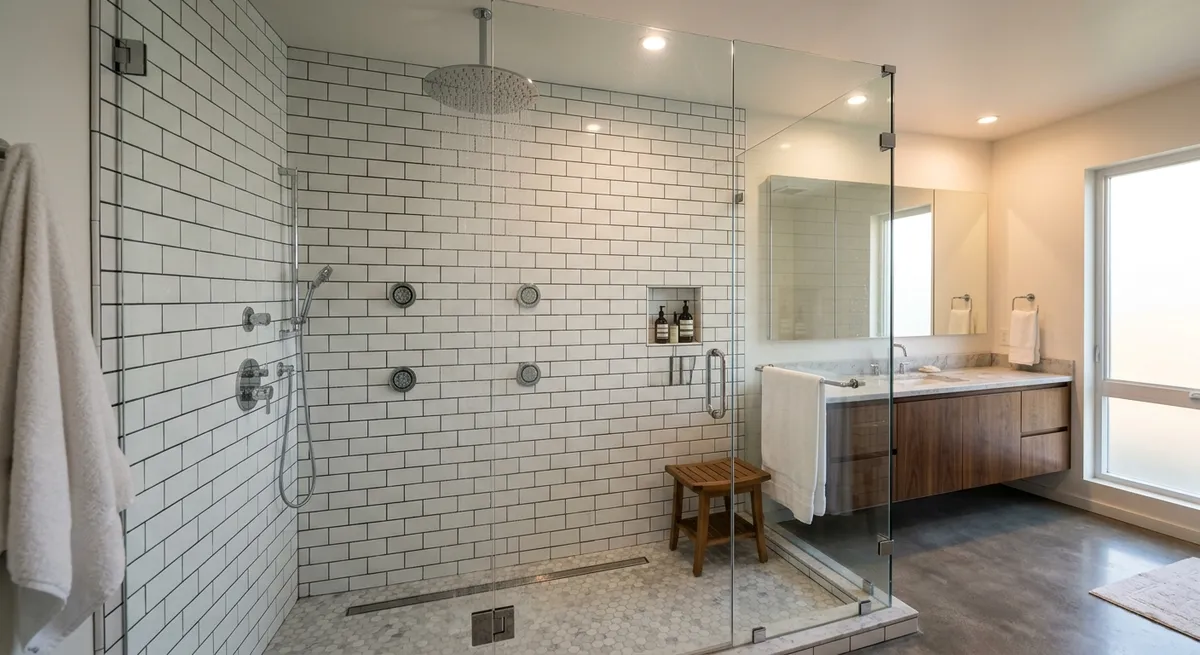
A walk-in shower is a barrier-free shower enclosure that eliminates the need to step over a raised threshold or tub rim. These showers feature a sloped floor that drains water efficiently, grab bars for stability, and non-slip surfaces for safety. Walk-in showers range from simple, minimalist designs to elaborate spa-like setups with multiple showerheads, body sprays, and steam features.
Walk-in showers are typically more compact than bathtubs, making them ideal for bathrooms with limited square footage. They require less water than filling a tub and offer quicker daily cleaning routines. Modern designs incorporate frameless glass enclosures, custom tile work, and luxury finishes that appeal to homeowners prioritizing aesthetics alongside functionality.
The practical advantages of walk-in tub or walk-in shower selection often lean toward showers for daily efficiency and space optimization. Water usage for a typical shower is approximately 2.5 gallons per minute, while filling a standard bathtub uses 70-100 gallons, according to EPA WaterSense data on shower water consumption.
Walk-in Tub vs Shower: Cost Comparison
One of the most critical factors in choosing between these options is the investment required. Understanding the full cost picture helps homeowners budget appropriately and evaluate return on investment.
Walk-in Tub Costs
Walk-in tubs typically range from $3,000 to $10,000 for the unit alone, with premium models featuring advanced hydrotherapy or air jets reaching $15,000 or more. Installation costs add $2,000 to $5,000, depending on plumbing complexity and structural modifications. When considering the walk-in tub vs shower debate financially, the total investment for a quality walk-in tub installation generally falls between $5,000 and $15,000.
Additional expenses may include:
- Plumbing modifications for drain and water line adjustments
- Electrical work for heated seats and jet systems
- Bathroom structural reinforcement
- Tile work and waterproofing around the installation
- Removal and disposal of existing fixtures
Walk-in Shower Costs
Walk-in showers generally cost less upfront, ranging from $2,000 to $8,000 for the enclosure and installation. Basic shower stalls with standard features fall on the lower end, while custom tile installations with premium fixtures reach the higher range. Significant variation depends on whether you’re converting an existing shower or creating a new installation area.
Typical walk-in shower expenses include:
- Shower enclosure or framing ($1,000-$3,000)
- Tile, grout, and waterproofing ($1,500-$3,500)
- Fixtures including showerhead and valve ($500-$1,500)
- Labor for installation and finishing ($1,000-$2,000)
While walk-in showers typically require less upfront investment, both options represent significant bathroom improvements. For comprehensive cost guidance, consult our detailed bathroom remodel cost breakdown for Florida homeowners to understand typical renovation budgets and timelines.
Safety Considerations: Walk-in Tub or Walk-in Shower
Safety is paramount when evaluating bathroom fixtures for yourself or aging family members. Both walk-in tubs and showers offer substantial improvements over traditional bathing options, but they address safety concerns differently.
Walk-in Tub Safety Features
Walk-in tubs excel at fall prevention through their low-entry design and built-in seating. Users can sit while the tub fills and drains automatically, eliminating the risky balance required when entering or exiting traditional tubs. Key safety elements include:
- Contoured grab bars positioned for secure gripping
- Built-in bench seating or sling seats for additional support
- Non-slip flooring with textured surfaces
- Automatic door locking mechanisms to prevent accidental opening
- Temperature control to prevent scalding
- Quick drain systems for emergency exit if needed
These features make walk-in tubs particularly beneficial for individuals with severe mobility limitations, arthritis, or balance disorders where maintaining an upright position is challenging.
Walk-in Shower Safety Features
Walk-in showers provide safety through barrier elimination and strategic grab bar placement. The key advantage is that users remain standing throughout the bathing process, maintaining natural balance and movement patterns. Essential safety components include:
- Zero-threshold entry (no lip or curb to step over)
- Slip-resistant flooring with proper slope for drainage
- Multiple grab bars at strategic heights
- Adequate space (typically 32-36 inches minimum) for maneuvering mobility aids
- Clear sightlines and accessible controls
- Optional shower seats or benches for users who cannot stand for extended periods
Walk-in showers may be preferable for individuals with mild mobility concerns or those who prefer standing while bathing. The open design also makes it easier for caregivers to assist if necessary.
Accessibility and Aging-in-Place Considerations
For homeowners planning to age in place or accommodate family members with disabilities, the are walk-in tubs better than walk-in showers question demands careful evaluation of specific accessibility needs.
Walk-in tubs are ideal for those who:
- Have difficulty standing for extended periods
- Experience chronic pain relieved by warm water soaking
- Require minimal physical balance and coordination
- Prefer seated bathing for comfort and security
- Need therapeutic hydrotherapy benefits
Walk-in showers are better suited for those who:
- Can stand independently or with minimal assistance
- Prefer quick, efficient daily bathing routines
- Have limited bathroom space
- Want easier caregiver accessibility for assistance
- Prioritize modern, streamlined aesthetics
Consider consulting with an occupational therapist or aging-in-place specialist when making this decision, especially if you’re designing a space for someone with specific mobility limitations. Our guide to affordable bathroom remodeling on a budget in Southwest Florida includes accessibility planning tips and cost-effective solutions.
Design, Aesthetics, and Modern Bathroom Trends
Beyond functionality, the visual impact of your chosen fixture significantly influences your bathroom’s overall appearance and property value. Current design trends in Southwest Florida show distinct preferences for each option.
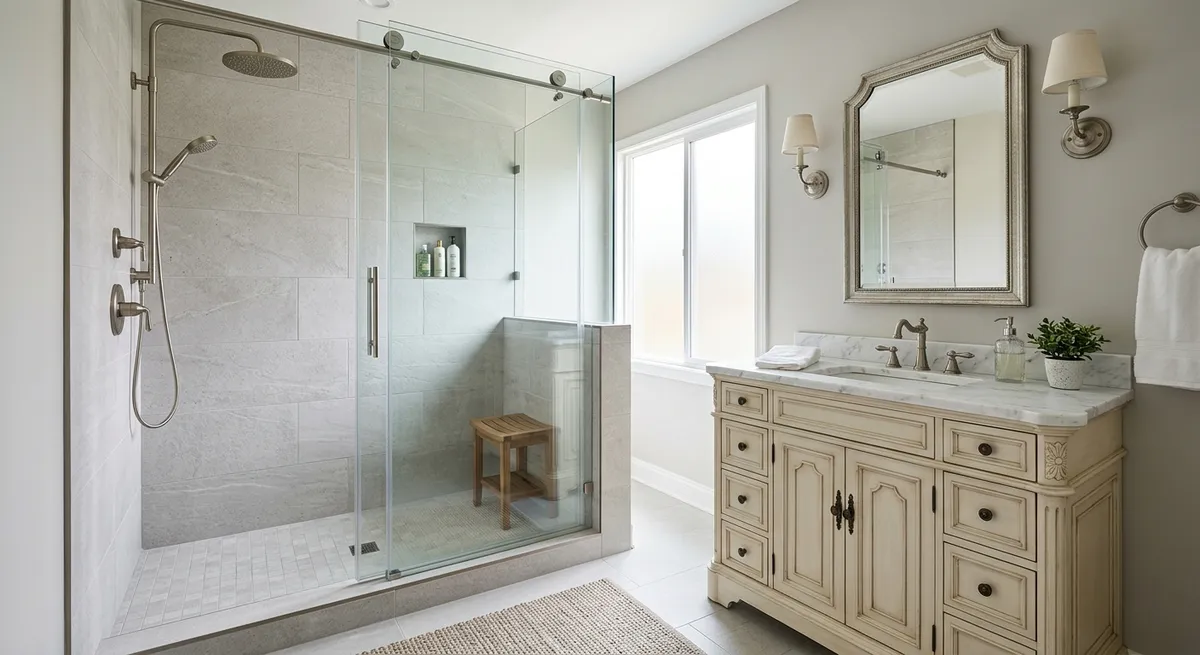
Walk-in showers dominate contemporary bathroom design, featuring clean lines, frameless glass, minimalist aesthetics, and luxury finishes. Modern designs incorporate natural materials, ambient lighting, and spa-like elements that appeal to homebuyers and renters. The ability to customize tile patterns, create focal points with feature walls, and integrate premium fixtures makes showers highly desirable in today’s market.
Walk-in tubs offer different aesthetic opportunities, particularly in transitional and traditional design schemes. Contemporary models come in various styles from sleek modern designs to classic luxury finishes. However, tubs generally require more visual accommodation within the bathroom space and may appeal to a narrower demographic in the resale market.
For current design direction and trending bathroom styles in your area, explore our comprehensive bathroom remodeling trends guide for Southwest Florida, which covers popular fixtures, color schemes, and design-forward options that increase home value.
Installation Requirements and Bathroom Modifications
The complexity of installation differs significantly between these options, impacting both timeline and cost for your bathroom project.
Walk-in Tub Installation
Installing a walk-in tub typically requires more extensive modifications. The process involves:
- Removing existing fixtures and structural preparation
- Ensuring adequate plumbing for both fill and drain lines
- Installing electrical connections for heated seats and jet systems
- Reinforcing floor joists if weight capacity is a concern
- Waterproofing surrounding areas to prevent moisture damage
- Finishing with tile work, trim, and aesthetic elements
Installation typically takes 5-14 days depending on bathroom size and existing conditions. The process is more disruptive, requiring temporary bathroom closure and professional expertise to ensure proper functionality and waterproofing.
Walk-in Shower Installation
Walk-in shower installation generally involves fewer structural modifications. The typical process includes:
- Removing the existing shower or tub enclosure
- Sloping the floor properly for drainage
- Installing the base pan or prepared floor surface
- Installing the enclosure frame and glass
- Completing tile work and waterproofing
- Installing fixtures and final trim work
Shower installations usually complete in 3-7 days, causing less disruption to daily life. The simpler structural requirements often result in faster installation and fewer unexpected complications during the renovation process.
Water Usage and Environmental Impact
Environmental consciousness and utility costs increasingly influence bathroom fixture decisions. The water consumption difference between these options is substantial.
A typical bath uses 70-100 gallons of water, while an average shower uses only 2.5-5 gallons per minute. A 10-minute shower consumes 25-50 gallons compared to the 70-100 gallons for a complete bath. This represents significant water savings over time, particularly important in drought-prone regions or areas with water restrictions.
For environmentally conscious homeowners, walk-in showers offer substantial advantages in water conservation and reduced energy costs for heating water. However, walk-in tubs can be water-efficient when used occasionally for therapeutic soaking rather than daily bathing. Many homeowners maintain both fixtures when space and budget allow, using the shower for daily cleaning and the tub for therapeutic purposes.
Maintenance and Long-term Care
Understanding maintenance requirements helps you make a sustainable choice aligned with your lifestyle and abilities.
Walk-in Tub Maintenance
Walk-in tubs require regular care including:
- Cleaning the door seal and mechanisms to prevent water leaks
- Regular inspection of jet systems and heating elements
- Testing safety features including automatic door locks
- Professional service for mechanical components every 2-3 years
- Treating the surface to prevent mold and mildew
The mechanical components (doors, jets, heating systems) may require repairs or replacement over time, adding to long-term costs. However, many modern walk-in tubs include extended warranties covering these systems.
Walk-in Shower Maintenance
Walk-in showers typically require simpler maintenance:
- Regular cleaning of tile, glass, and grout
- Caulk inspection and reapplication every 2-3 years
- Fixture maintenance (showerhead cleaning, valve inspection)
- Drain cleaning as needed to maintain proper water flow
- Grout sealing annually to prevent moisture penetration
Simpler design means fewer mechanical components that can malfunction, generally resulting in lower maintenance costs and fewer repair issues over the shower’s lifespan.
Resale Value and Real Estate Considerations
When evaluating bathroom improvements as investments, understanding buyer preferences and market trends is essential for maximizing return on investment.
Walk-in showers tend to have stronger market appeal, particularly in contemporary home markets. Buyers appreciate the modern aesthetic, space efficiency, and low-maintenance appeal. Luxurious shower designs with premium finishes often increase perceived value and attract more potential buyers.
Walk-in tubs appeal to specific demographics primarily aging homeowners and those with accessibility needs which narrows the potential buyer pool. However, they demonstrate strong appeal to these targeted audiences and can significantly increase home value for estate-type properties or homes marketed toward older adults.
For strategic bathroom investment guidance, consider our detailed analysis of bathroom remodeling ROI for Southwest Florida homes, which includes resale value data and design recommendations that maximize your renovation investment.
Making Your Final Decision: Walk-in Tub vs Walk-in Shower
Choosing between a walk-in tub and walk-in shower requires evaluating multiple factors specific to your situation. Use this checklist to guide your decision:
Choose a Walk-in Tub If:
- You have mobility limitations and prefer seated bathing
- You want therapeutic hydrotherapy benefits for joint pain or muscle tension
- You’re designing a space for elderly family members
- Sufficient bathroom space allows for the larger fixture
- You’re willing to invest in higher upfront costs
- Daily bathing comfort and accessibility are top priorities
Choose a Walk-in Shower If:
- You want modern, contemporary bathroom aesthetics
- Space is limited or you prefer maximizing functional area
- Water efficiency and environmental impact matter to you
- You prefer quick, daily cleaning routines
- Resale value and market appeal are important considerations
- You want lower maintenance and fewer mechanical components
Hybrid Solutions: Combining Both Fixtures
If budget and bathroom space permit, many homeowners choose both fixtures. Master bathrooms with adequate square footage can accommodate a spacious walk-in shower for daily use paired with a therapeutic walk-in tub for weekend relaxation and therapeutic soaking. This hybrid approach provides maximum flexibility for different family members’ needs and usage preferences.
The primary challenge is space and cost. Most bathrooms cannot efficiently accommodate both fixtures without significant expansion. However, this option provides ultimate versatility and caters to varying accessibility needs within a household.
Preparing for Your Bathroom Remodel Project
Once you’ve decided between a walk-in tub and shower, proper planning ensures a successful renovation. Essential preparation steps include:
- Obtaining quotes from multiple licensed contractors
- Reviewing design options and material selections
- Understanding the complete timeline and project scope
- Securing any necessary permits and approvals
- Planning for temporary bathroom access during construction
- Arranging for inspection of completed work
The bathroom renovation process involves coordination with plumbers, electricians, tile installers, and general contractors. Professional expertise ensures proper installation, code compliance, and waterproofing that protects your investment. Consult our guide to what to ask before hiring renovation contractors for essential contractor evaluation questions.
Conclusion: Making the Best Choice for Your Home
The decision between a walk-in tub vs walk-in shower ultimately depends on your personal needs, accessibility requirements, bathroom space, budget, and lifestyle preferences. Walk-in tubs excel for individuals with mobility challenges who prioritize therapeutic bathing and seated comfort, while walk-in showers offer contemporary design, water efficiency, and space optimization for modern lifestyles.
Neither option is universally superior each serves distinct purposes and appeals to different homeowners. Your choice should reflect your immediate needs while considering long-term aging-in-place modifications and resale value implications. Whether you select a luxurious therapeutic tub for daily comfort or a sleek modern shower for style and efficiency, both fixtures represent significant improvements in bathroom safety and accessibility.
Ready to transform your bathroom with the perfect fixture? Contact SW Florida Builders Group today to discuss your bathroom remodeling project with experienced professionals who understand Southwest Florida’s unique building requirements and design trends. Our team will help you evaluate your options, navigate budget considerations, and execute a renovation that enhances your home’s functionality and value.
Author Bio: This article was created by the editorial team at SW Florida Builders Group, serving Naples, Bonita Springs, and surrounding Southwest Florida communities since 2015. Our expertise spans residential renovations, bathroom remodeling, and aging-in-place home modifications. We combine current industry knowledge with local building experience to provide homeowners with accurate, actionable guidance for their renovation projects. All content reflects current best practices and current market conditions as of October 2026.